Bak Kut Teh: The Herbal Soup That Fueled a Nation
Imagine walking through the streets of Klang, Malaysia, at 7:00 AM. The air isn’t filled with the smell of coffee or toast, but rather a dense, aromatic fog of medicinal herbs, pork fat, and garlic. It is a scent that grabs you by the collar and drags you toward plastic stools and wobbly tables. This is the realm of bak kut teh Malaysia, a culinary institution that is far more than just a bowl of soup.
Table of Contents
ToggleFor food lovers visiting from the United States, Australia, or neighboring Singapore, the concept of a heavy, pork-laden herbal broth for breakfast might seem counterintuitive. Yet, once you take that first sip—dark, complex, and warming—you understand. This dish tells the story of struggle, migration, and the comfort found in a clay pot.
In this deep dive, we will explore the history, the ritual, the best spots to visit, and even how to make it at home using an authentic bak kut teh Malaysia recipe.
Frequently Asked Questions (FAQ)
1. Does bak kut teh have pork?
Yes, traditionally. The word “Bak” in the Hokkien dialect refers to meat, specifically pork. A standard bowl of bak kut teh Malaysia consists of pork ribs, belly, or intestines simmered in a herbal broth. However, for those who do not eat pork, there are popular variations available, such as “Chik Kut Teh” (made with chicken) or vegetarian versions that utilize mushrooms and tofu to replicate the herbal flavor profile.
2. What is the difference between Malaysian and Singaporean bak kut teh?
The primary difference is the broth. Bak kut teh Malaysia (Hokkien style) is famous for its dark, thick, and aromatic herbal broth made with soy sauce and medicinal herbs like Dang Gui. In contrast, Singaporean Bak Kut Teh (Teochew style) features a clear, translucent broth that is much lighter in color but packs a strong, spicy punch from white pepper and garlic.
3. What are the different styles of bak kut teh?
There are three main styles you will encounter:
- Hokkien Style: The most common in Malaysia (Klang Valley), featuring a dark, soy-based herbal soup.
- Teochew Style: Common in Singapore and Southern Malaysia, known for its clear, peppery broth.
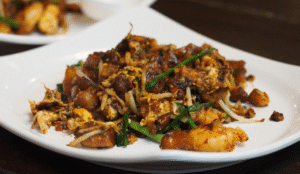
- Dry Bak Kut Teh: A modern Malaysian evolution where the meat is reduced in a clay pot with dried chilies, cuttlefish, and thick soy sauce until it becomes a sticky, spicy stir-fry.
4. Which is the healthiest Chinese food to eat?
Generally, dishes that are steamed or boiled are considered the healthiest options in Chinese cuisine, such as Steamed Fish with Ginger or clear vegetable soups. While bak kut teh Malaysia is rich in nutritious herbs and collagen, it can be high in fat. If you are strictly watching calories, steamed options are lighter, but Bak Kut Teh offers unique warming properties and energy that lighter dishes lack.
5. How healthy is bak kut teh?
It is considered a health tonic in Traditional Chinese Medicine due to the warming herbs used. Ingredients like star anise, cinnamon, and garlic help improve blood circulation and boost the immune system. However, because it uses fatty cuts of pork, it can be high in cholesterol. To enjoy it healthily, eat it in moderation, choose leaner cuts of meat (like ribs instead of belly), and drink hot Chinese tea to aid with digestion.
The Origins: "Meat Bone Tea" and the Coolie’s Comfort
To truly appreciate bak kut teh Malaysia, one must understand its humble beginnings. The name literally translates from Hokkien as “Meat Bone Tea.” However, there is no tea in the soup itself. The “tea” refers to the strong Chinese Oolong or Pu-erh tea strictly served alongside the meal to wash down the grease and aid digestion.
The Port Klang Connection
While there is a friendly tug-of-war between Malaysia and Singapore regarding the dish’s origin, most historical records point to Port Swettenham (now Port Klang) in the early 20th century.
During the British colonial era, Chinese immigrants (coolies) flocked to Malaya to work the docks and tin mines. The work was backbreaking. Rheumatism and fatigue were common ailments due to the humid tropical climate and grueling labor. These workers couldn’t afford expensive medicine. Instead, they gathered scraps of pork bones—the cheapest cuts available—and boiled them for hours with cheap medicinal herbs they brought from China, such as Dang Gui (Angelica Sinensis) and star anise.
The result was a tonic that boosted circulation and provided the caloric energy needed to lift heavy cargo. What started as a poor man’s tonic has evolved into the celebrated bak kut teh Malaysia we know today.
The Hokkien vs. Teochew Divide
It is crucial for visitors to distinguish between the two main types of Bak Kut Teh found in the region:
- The Teochew Style: Predominant in Singapore. It uses a clear broth, heavy on white pepper and garlic. It is spicy and sharp.
- The Hokkien Style: The gold standard of bak kut teh Malaysia. It is dark, soy-heavy, viscous, and deeply herbal.
If you are in Malaysia, specifically the Klang Valley, you are in Hokkien territory. The soup here is almost black, rich with soy sauce, and fragrant with a complex bouquet of Chinese herbs.
The Anatomy of the Perfect Bowl
What makes a bowl of bak kut teh Malaysia distinct? It is a symphony of ingredients where balance is key. It is never just about the meat; it is about how the collagen from the bones marries the bitterness of the herbs.
The Herbs
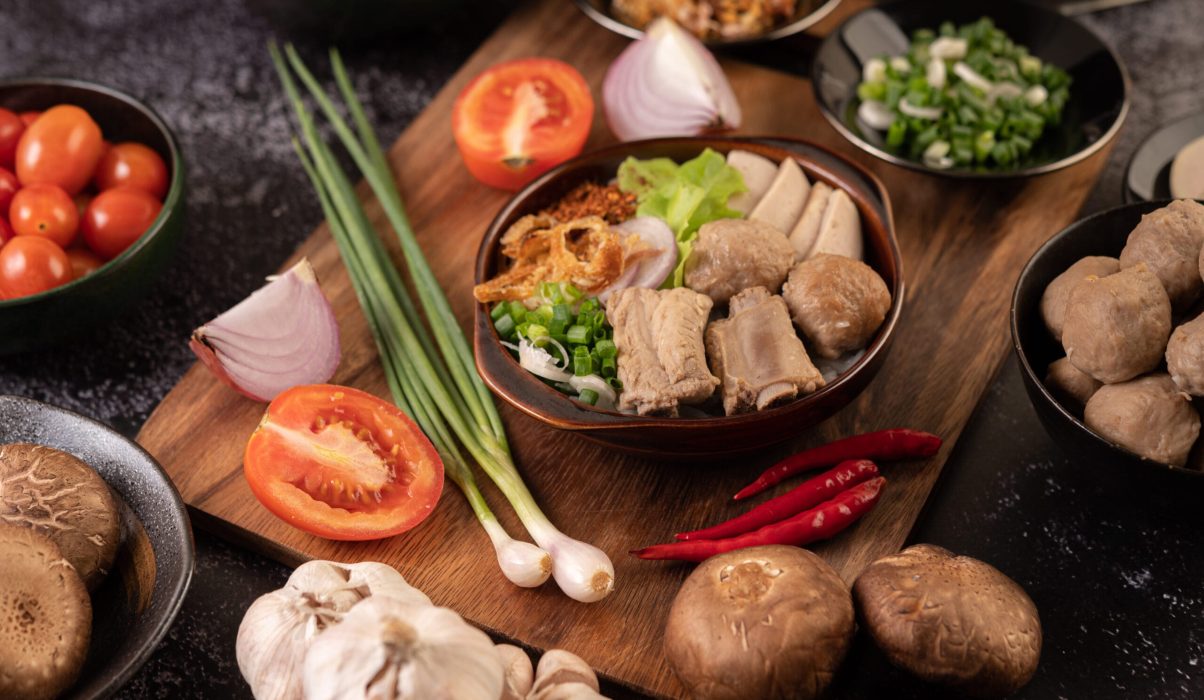
A standard pot involves a pharmacy’s worth of ingredients. You will often find:
- Star Anise & Cinnamon: For warmth and sweetness.
- Dang Gui (Angelica Root): This gives the soup its distinct, slightly bitter medicinal profile and is believed to invigorate the blood.
- Garlic: Whole bulbs are thrown in, skins and all, until they melt into a creamy consistency.
- Solomon’s Seal (Yu Zhu): Adds a subtle sweetness.
The Cuts of Meat
When you order bak kut teh Malaysia, you aren’t just getting generic “pork.” You have choices. Connoisseurs often order specific cuts to customize their texture experience:
- Pai Kut (Ribs): The standard choice, offering tender meat and bone.
- Tua Kut (Big Bone): The femur bone, prized for its marrow and gelatinous fat.
- Fun Chang (Intestines): Thoroughly cleaned and braised until chewy yet tender.
- Ka Wan (Trotter): For those who love collagen-rich, sticky textures.
The Ritual: It’s Not Just Soup, It’s a Lifestyle
Eating bak kut teh Malaysia is a ritualistic experience. You don’t simply sit down and eat. There is a “Kung Fu” to it.
The Tea Ceremony
Before the food arrives, a kettle of boiling water is placed on your table alongside a packet of tea leaves (usually Tie Guan Yin) and a miniature tea set. It is customary to rinse the tiny cups with boiling water to sterilize and heat them. You brew the tea yourself. This strong, bitter tea is the “Yin” to the pork’s “Yang.” It cuts through the fat, cleansing the palate so every bite tastes as rich as the first.
The Sides (The Supporting Cast)
You cannot have the soup alone. The table is usually filled with:
- Yau Char Kwai (Chinese Crullers): These fried dough sticks are essential. You dip them into the dark broth, allowing them to soak up the flavors like a sponge.
- Braised Tofu Puffs: Spongy and savory.
- Preserved Vegetables (Choy Sum): A salty, crunchy contrast to the soft meat.
- Bird’s Eye Chili and Soy: A small saucer of chopped chilies and minced garlic in thick dark soy sauce is provided for dipping the meat.
The Pilgrimage to Klang: Seeking the Holy Grail
If you ask any local where the best soup is, they will point you toward Klang. Located about 45 minutes from Kuala Lumpur, this royal town is the spiritual home of the dish. To find the best bak kut teh in Klang is to find the best in the world.
Under the Bridge (Seng Huat)
One cannot talk about the best bak kut teh in Klang without mentioning Seng Huat. Located literally under a highway overpass near the Klang railway station, this is often cited as the origin point. The style here is traditional—the broth is lighter than some modern versions, but the history is palpable. It’s gritty, authentic, and always packed.
Teluk Pulai Claypot
For those who prefer the clay pot style (where the soup boils vigorously as it is served), Teluk Pulai is a heavyweight contender for the best bak kut teh in Klang. The broth here is thicker, darker, and sweeter. They are also famous for their dry version (which we will discuss later). The atmosphere is noisy and energetic—the true Malaysian dining experience.
Mo Sang Kor
If you prefer a bowl where the broth is so concentrated it’s almost like a gravy, Mo Sang Kor is the place. The meat is cooked to perfection, but the broth is the star. It is limited, so once they sell out (usually by lunch), the shop closes. This exclusivity adds to its reputation as the best bak kut teh in Klang.
The City Guide: Finding Gems in the Capital
Not everyone has the time to travel to Klang. Fortunately, you can find excellent versions in the capital. However, finding the best bak kut teh in Kuala Lumpur requires dodging the tourist traps.
Sun Fong Bak Kut Teh
Located near the Imbi area, Sun Fong is an institution. While some locals argue it has become too commercialized, it remains a consistent and accessible spot for tourists. It offers a massive menu, including seafood variants. It is a strong contender for the best bak kut teh in Kuala Lumpur simply due to its accessibility and comprehensive menu for first-timers.
Pudu Herbal Bak Kut Teh
For a grittier, more authentic vibe in the city, head to Pudu. The stall owners here have been serving the night crowd for decades. The version here tends to be quite herbal, catering to the older generation’s palate. It’s a hidden gem often overlooked in lists for the best bak kut teh in kuala lumpur.
Ban Lee Bak Kut Teh
Located on Jalan Ipoh, this is a favorite for night owls. It is open 24 hours (or close to it), making it the perfect supper spot after a night out. The soup is refillable—a magical word in the world of bak kut teh Malaysia—ensuring you never run dry of that herbal goodness.
The Evolution: Dry Bak Kut Teh
Sometime in the 1980s or 90s, a mutation occurred. A chef in Klang decided to take the meat out of the soup and stir-fry it in a clay pot with dried chilies, dried cuttlefish, okra, and thick dark soy sauce until the liquid reduced to a sticky, caramelized glaze.
This is Dry Bak Kut Teh.
For those who find the herbal soup too overwhelming, the dry version is a revelation. It is smoky, spicy, and incredibly savory. It has become a staple alongside the soup version. When you visit a restaurant for bak kut teh Malaysia, it is now standard practice to order one pot of soup and one pot of dry meat to share.
The Health Perspective: Is it Good for You?
From a Western nutritional standpoint, a bowl full of pork ribs and belly might scream “cholesterol.” However, in Traditional Chinese Medicine (TCM), bak kut teh Malaysia is viewed as a health tonic.
The herbs used are warming. Dang Gui promotes blood circulation. Pepper clears the stomach. Garlic boosts the immune system. In the humid, damp climate of Southeast Asia, the soup is believed to expel “dampness” from the body and prevent rheumatism.
Of course, moderation is key. The locals balance the richness by drinking copious amounts of Chinese tea, which cuts the oils. It is a meal that warms you from the inside out, often inducing a mild “meat sweat” that leaves you feeling surprisingly refreshed afterward.
Bringing the Flavor Home
Perhaps you have returned to New York, Sydney, or London, and you are craving that herbal hit. While nothing beats the atmosphere of a Klang back alley, you can replicate the flavors with a good bak kut teh Malaysia recipe.
The Ingredients Challenge
The hardest part of any bak kut teh Malaysia recipe is sourcing the herbs. In Western countries, your best bet is an Asian grocer. You can often find pre-packed “Bak Kut Teh Spices” sachets (brands like A1 or Claypot are famous). These sachets contain the ground herbs in a filter bag, which makes the process much easier.
However, for the purist, building the flavor profile from scratch is the ultimate goal.
The Authentic Home Method
Here is a simplified yet authentic approach to a bak kut teh Malaysia recipe:
Ingredients:
- 1 kg Pork Ribs (blanched to remove scum)
- 2 whole bulbs of garlic (do not peel the cloves, just wash the whole bulb)
- 20g Dong Quai (Angelica Root)
- 1 tbsp White Peppercorns (crushed)
- 3 Star Anise
- 1 Cinnamon Stick
- 2 tbsp Dark Soy Sauce (for color)
- 2 tbsp Light Soy Sauce (for saltiness)
- 1 tbsp Oyster Sauce
- 6 cups Water
Instructions:
- The Blanch: Boil the pork ribs for 5 minutes to remove impurities. Drain and wash.
- The Base: In a large pot (clay pot is best), bring water to a boil. Add the garlic bulbs, star anise, cinnamon, peppercorns, and Dong Quai. Let this boil for 15 minutes to release the herbal aroma.
- The Simmer: Add the pork ribs, dark soy sauce, light soy sauce, and oyster sauce.
- The Wait: Cover and simmer on low heat for at least 1.5 to 2 hours. The meat should be falling off the bone.
- The Finish: Taste the broth. It should be savory with a bittersweet herbal aftertaste. If you want the true bak kut teh Malaysia experience, add fried tofu puffs and mushrooms in the last 10 minutes of cooking.
Serve this with steamed white rice, chopped bird’s eye chilies in soy sauce, and a pot of hot tea.
Cultural Nuances for the Traveler
If you are planning to travel to eat bak kut teh Malaysia, there are a few cultural nuances to keep in mind.
First, this is primarily a breakfast or lunch dish in Klang. While you can find it for dinner in Kuala Lumpur, the best spots in Klang often sell out by 1:00 PM. The early bird truly catches the worm (or the pork rib, in this case).
Second, don’t be afraid of the “refill.” In most establishments, the soup is refillable for free. If your clay pot runs dry but you still have meat and rice left, simply signal the waiter and ask for “soup.” They will come by with a ladle and top you up.
Third, dress comfortably. Most of the legendary bak kut teh Malaysia spots are open-air, non-air-conditioned venues. The combination of the tropical heat and the boiling soup means you will sweat. It’s part of the charm.
Beyond the Pork: Halal and Vegetarian Options
Malaysia is a multicultural country. While traditional bak kut teh Malaysia is undeniably pork-based, the love for the herbal broth transcends religious boundaries.
Recently, “Chik Kut Teh” (made with chicken) has gained popularity, allowing those who do not eat pork to enjoy the herbal broth profile. Similarly, vegetarian versions using mushrooms and mock meat are available, focusing entirely on the complex herbal brew. While purists might scoff, these variations prove that the soul of the dish lies in the broth, not just the meat.
Conclusion: A Bowl of History
To eat bak kut teh Malaysia is to consume a chapter of the nation’s history. It is a reminder of the hard work of the forefathers who built the ports and cities. It is a testament to how simple ingredients—bones and herbs—can be transformed into something majestic through time and patience.
Whether you are hunting for the best bak kut teh in klang, seeking a late-night supper at the best bak kut teh in kuala lumpur, or trying your hand at a bak kut teh malaysia recipe in your own kitchen, you are participating in a culinary tradition that has fueled a nation for over a century.
So, the next time you find yourself in Malaysia, follow your nose. Look for the steam rising from the clay pots, listen for the clinking of porcelain tea cups, and prepare yourself for one of the most comforting meals of your life.
Malaysian Food Guides: Authentic Recipes & Local Favorites
Explore our complete collection of authentic recipes and cultural food guides:
Heritage & Unique Foods:
- Malaysia Food Culture: The 24-Hour Obsession
- Why Is Nasi Kerabu Blue? Malaysia’s Famous Blue Rice
- Eating Sago Worms: The Wriggling Sushi of Borneo
- Bird’s Nest Soup: Why People Pay $100 for Swiftlet Spit
- Ambuyat: The Sticky Staple of Borneo
- Bak Kut Teh: The Herbal Soup That Fueled a Nation
- Unforgettable Ayam Percik: Malaysia’s Smoky, Spicy Delight
Popular Recipes & Dishes
- Recipe Nasi Lemak Step-by-Step
- Mi Goreng Noodles: 10 Creative Ways To Improve Your Dish
- Malaysia Fried Rice: Dish with Unique Local Variations
- Hokkien Mee: Malaysia’s Bold and Flavorful Noodle Dish
- Satay Chicken: Malaysia’s Skewered Delight You Can’t Resist
- Laksa Noodles: Malaysia’s Irresistible Spicy Bowl of Comfort
- How to Make Keropok Lekor: Malaysia’s Coastal Delight
- Explosive Flavor Ikan Bakar: Grilled Seafood Secret
- Authentic Lemang Recipe: A Smoky and Festive Hari Raya Favorite
- The Ultimate Belacan Recipe: Master Malaysia’s Fiery Flavor
- Heavenly Chicken Rendang: A Flavor Journey Through Malaysia’s Culinary Heritage
- The Best Roti Kosong Recipe: Flaky, Buttery, and Truly Malaysian
- Rendang Daging: A Slow-Cooked Malaysian Treasure
- Heavenly Nasi Briyani: Malaysia’s Rich and Aromatic Rice Masterpiece
- Deliciously Iconic Popiah: Malaysia’s Timeless Street Food Treasure
- Irresistible Roti John: Malaysia’s Classic Snack That Never Fails to Impress