Gula Melaka: The Smoky Palm Sugar That Changed Desserts Forever
Imagine biting into a dessert that tastes like salted caramel, butterscotch notes, and a hint of smoke, all wrapped into one velvety sweetness. It isn’t the one-note sugary spike of white table sugar, nor is it the heavy molasses hit of dark muscovado. It is something ancient, complex, and utterly transformative. This is gula melaka.
Table of Contents
ToggleFor centuries, this golden-brown unrefined sweetener has been the backbone of Southeast Asian confectionery. Yet, in recent years, it has crossed oceans, finding its way into artisanal ice cream shops in San Francisco, high-end cafes in Melbourne, and fusion bakeries in Singapore. But what exactly is this “Malaysian gold,” and why are chefs worldwide trading their cane sugar for it?
In this guide, we will journey to the historic heart of Melaka Malaysia to understand the origins, the science, and the culinary magic of this palm sugar. Whether you are a home baker trying to decide between brown sugar vs coconut palm sugar or a foodie curious about authentic Asian flavors, this is your ultimate handbook.
Frequently Asked Questions (FAQ)
1. What exactly is gula melaka?
Gula melaka is a natural sugar produced from the coconut sap of the flower buds of the coconut palm. It is traditionally made in Malaysia, specifically associated with the state of Melaka. Unlike refined white sugar, it retains a distinct caramel, butterscotch notes, and a smoky flavor derived from the wood-fired boiling process used to concentrate the sap.
2. What is Melaka famous for?
Historically, Melaka Malaysia is famous as a crucial trading port that connected the East and West, influencing its rich colonial architecture and history. Culturally, it is renowned for Peranakan heritage and Nyonya cuisine. In the culinary world, it is most famous for its namesake sugar, gula melaka, as well as dishes like Chicken Rice Balls, Nyonya Laksa, and Cendol.
3. What is the difference between brown sugar and Gula Melaka?
The core difference lies in their origin and processing. When comparing brown sugar vs coconut palm sugar (gula melaka), remember that brown sugar is refined white cane sugar with molasses added back in. Gula melaka is the unrefined, dehydrated coconut sap. Flavor-wise, brown sugar is sweet and molasses-heavy, while gula melaka is complex with notes of coffee, smoke, and salted caramel.
4. Is palm sugar healthier than brown sugar?
Generally, yes. In the debate of palm sugar vs brown sugar, palm sugar is considered the healthier alternative because it is unrefined. It retains trace minerals like potassium, zinc, and iron, which are stripped from brown sugar during refining. Additionally, gula melaka has a Low Glycemic Index compared to brown sugar, meaning it does not spike blood glucose levels as drastically.
5. Can I use gula melaka instead of brown sugar?
Yes, you can. It is an excellent substitute that adds more flavor depth. However, because gula melaka contains less moisture than brown sugar, you may need to adjust your recipe slightly (perhaps adding a tiny bit more liquid or fat) to maintain the texture of your baked goods. If the recipe relies on the moisture of brown sugar for chewiness (like in cookies), keep this difference in brown sugar vs coconut palm sugar in mind.
The Origin Story: Tapping the Coconut
Gula melaka is a type of palm sugar made specifically from the coconut sap (nira) of flower buds from the coconut palm (Cocos nucifera). The name literalizes its origin story: “Gula” means sugar in Malay, and “Melaka” refers to the historic port state in Malaysia where it was traditionally traded.
Unlike standard sugar, which is highly processed and stripped of nutrients, gula melaka is a whole food product. It is usually sold in cylindrical blocks or “logs,” formed by pouring the boiling sap into bamboo tubes to cool. This traditional packaging is a hallmark of authenticity, often wrapped in dried banana leaves to preserve freshness.
The Flavor Profile
To the uninitiated, the taste is a revelation. High-quality gula melaka possesses a complex flavor profile that includes:
- Deep Caramel: Similar to toffee or a rich treacle.
- Smokiness: A direct result of the wood-fired boiling process.
- Savory Undertones: A slight salinity that enhances other ingredients.
- Floral Notes: Remnants of the coconut inflorescence.
When comparing palm sugar vs brown sugar in terms of pure flavor depth, the former offers a richness that mimics chocolate and coffee notes, whereas the latter is predominantly sweet with a simple molasses finish.
The Harvest: A Labor of Love in Melaka Malaysia
To truly appreciate gula melaka, one must understand the grueling labor required to produce it. The production is concentrated in rural Malaysia, utilizing artisanal processing methods that are distinct from the tourist bustle of Melaka Malaysia, yet the heritage remains deeply tied to the region.
Tapping the Blossom
The process begins high in the trees. A tapper (often a generational expert) climbs the coconut palm twice a day. They make a precise cut into the unopened flower bud to induce the flow of sap. This is delicate work; cut too deep, and you damage the flower; cut too shallow, and the sap won’t flow. This method is a form of sustainable farming, as it allows the tree to produce sugar without being felled.
The Boiling Point
The coconut sap is collected in bamboo containers and must be boiled immediately to prevent fermentation. If left too long, it turns into palm wine (toddy) or vinegar. The sap is cooked over wood fires in massive woks for hours. This wood-fired cooking is crucial; it is what impregnates the gula melaka with its signature smoky aroma.
As the sap reduces, it thickens into a viscous, bubbling caramel. At the critical moment—determined only by the experience of the boiler—it is poured into bamboo molds. This artisanal method means that every batch of gula melaka has a slightly different character, influenced by the soil, the tree, and the fire.
The Nutritional Scoop: Is it Healthier?
In the health-conscious circles of Australia and the US, gula melaka is often touted as a “superfood sweetener” or a natural sugar alternative. While it is still sugar and should be consumed in moderation, it does possess distinct advantages over refined white sugar.
Low Glycemic Index (GI)
One of the main selling points is the Low Glycemic Index. Gula melaka generally has a GI of 35 to 45, compared to white sugar’s GI of roughly 60 to 65. This suggests it causes a slower rise in blood glucose levels, preventing the dreaded “sugar crash” that leaves you craving more sweets an hour later. This makes it a potentially safer option for those monitoring their energy spikes, though diabetics should still approach it with caution.
Trace Minerals
Because it is unrefined, gula melaka retains mineral content from the sap, making it more nutrient-dense than empty-calorie white sugar. It contains:
- Potassium (helps regulate blood pressure)
- Zinc (vital for immune function)
- Iron (essential for blood health)
- Magnesium (supports muscle function)
While you would need to eat a dangerous amount of sugar to get your daily recommended intake of these minerals, their presence contributes to the complexity of flavor that artificial sweeteners simply cannot replicate.
The Sweet Showdown: Clarifying the Confusion
The world of natural sweeteners is confusing. Walk into a Whole Foods in the US or a Coles in Australia, and you are bombarded with options. Let’s break down the differences, specifically focusing on the common queries regarding brown sugar vs coconut palm sugar and the nuances of palm sugar vs brown sugar.
Gula Melaka vs. Generic Palm Sugar
Not all palm sugar is gula melaka.
- Gula Melaka: Specifically from the coconut sap of the Cocos nucifera.
- Thai Palm Sugar: Often made from the Palmyra palm (Borassus flabellifer). It is lighter in color and milder in taste.
- Gula Aren: An Indonesian variant made from the Arenga pinnata palm, usually darker and smokier.
The Great Debate: Brown Sugar vs Coconut Palm Sugar
Home bakers frequently ask about the difference between brown sugar vs coconut palm sugar when trying to substitute ingredients in cookies or cakes.
- Source: Brown sugar is simply refined white cane sugar with molasses added back in. Coconut palm sugar (like gula melaka) is the dehydrated sap of the flower.
- Moisture: Brown sugar is hygroscopic (holds moisture), which makes cookies chewy. Coconut palm sugar is drier. If you swap them 1:1, your baked goods might be crunchier.
- Flavor: The debate of brown sugar vs coconut palm sugar often comes down to depth. Brown sugar tastes like molasses; coconut palm sugar offers butterscotch notes and smoke.
The Substitution Guide: Palm Sugar vs Brown Sugar
When analyzing palm sugar vs brown sugar, consider the application:
- Curries and Sauces: Gula melaka is superior. It balances the heat of chili and the saltiness of fish sauce better than brown sugar due to its savory undertones.
- Baking: You can substitute them, but you may need to add a teaspoon of oil or butter when using palm sugar to compensate for the lack of moisture found in brown sugar.
- Coffee: In the battle of palm sugar vs brown sugar for your morning latte, palm sugar wins hands down for its caramel notes that complement roasted beans.
Identifying the Real Deal
Because gula melaka fetches a higher price than cane sugar, the market is flooded with fakes. In tourist shops across Melaka Malaysia and export markets, you will often find “Gula Melaka” that is actually 90% white sugar mixed with a little palm sap and brown coloring.
The Authenticity Test
How do you know you have bought pure gula melaka?
- Texture: It should be soft enough to shave with a knife. If it is rock-hard like a brick, it likely has added cane sugar to harden it.
- Smell: It should be aromatic and fragrant even when solid.
- Solubility: Pure gula melaka melts instantly on the tongue. Fakes remain gritty.
Culinary Applications: Beyond the Expected
While gula melaka is the star of traditional Asian desserts, its versatility allows it to shine in Western kitchens.
Traditional Favorites
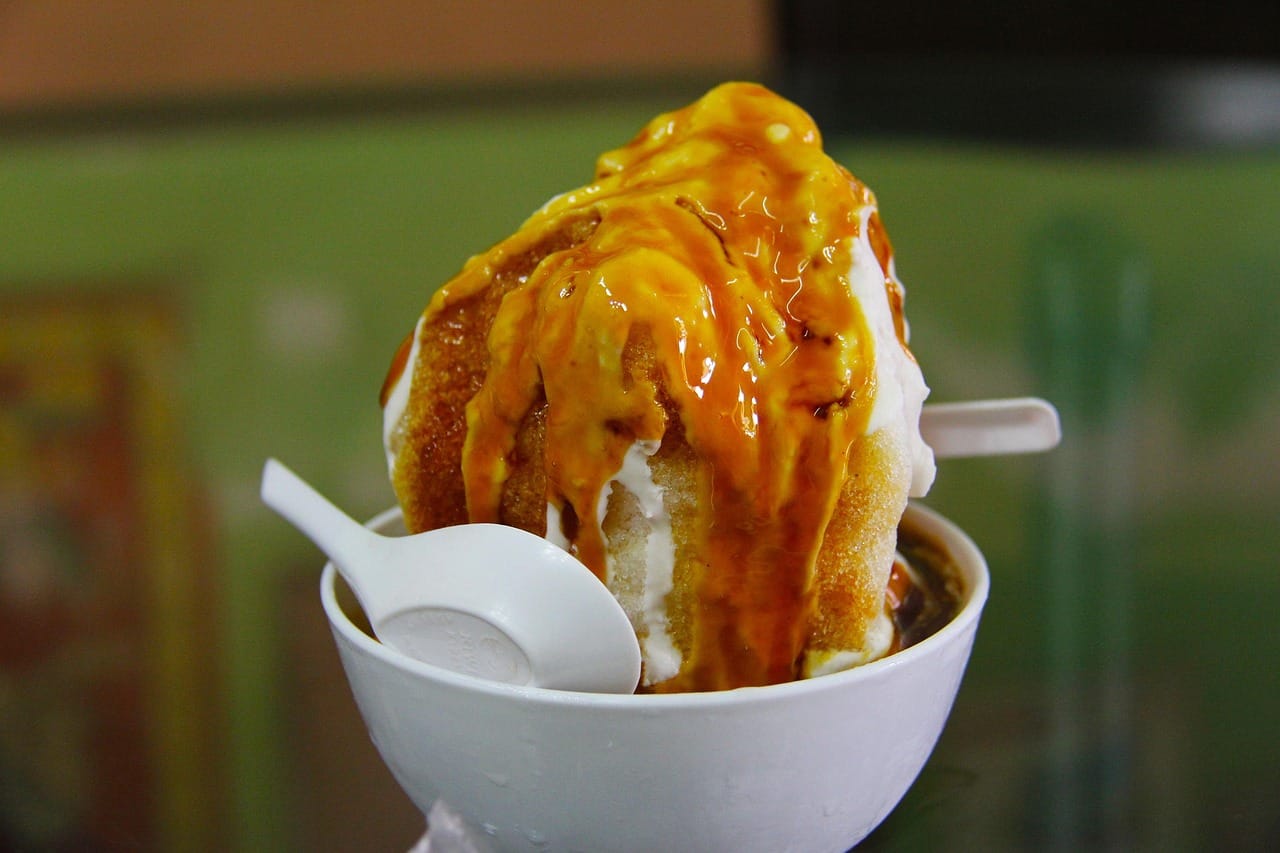
- Cendol: Shaved ice, green rice flour jelly, rich coconut milk, and a generous drizzle of gula melaka syrup. This is the quintessential Malaysian dessert found on street corners.
- Onde-Onde: Glutinous rice balls infused with pandan leaves, filled with a chunk of solid gula melaka, and rolled in grated coconut. When you bite in, the melted sugar explodes in your mouth.
- Sago Gula Melaka: Pearl sago pudding served with fresh coconut milk and the smoky syrup.
Modern Western Twists
- Salted Gula Melaka Ice Cream: The smoky notes pair perfectly with dairy and sea salt.
- Barbecue Glaze: Swap honey for gula melaka in your BBQ sauce for a richer, stickier glaze on ribs or chicken wings.
- Cocktails: A gula melaka simple syrup adds a darker, moodier sweetness to an Old Fashioned or an Espresso Martini.
How to Make Gula Melaka Syrup
You rarely use the hard block directly. Most recipes call for a syrup. Here is how to make a versatile “Mother Syrup” infused with pandan leaves that you can store in the fridge.
Ingredients:
- 300g pure gula melaka (chopped or shaved)
- 100ml water
- 2 distinct pandan leaves (tied in a knot)
Instructions:
- Combine the chopped sugar, water, and pandan leaves in a saucepan.
- Heat gently over low heat. Do not let it boil vigorously, or it might crystallize.
- Stir until the sugar is completely dissolved.
- Simmer for another 5 minutes to thicken slightly.
- Strain through a fine-mesh sieve to remove any natural fibers or impurities (common in artisanal processing).
- Let it cool. It will thicken into a treacle-like consistency as it drops in temperature.
Sourcing for International Readers
For our readers in the US, Australia, and Singapore, finding high-quality gula melaka can be a treasure hunt.
- Singapore: You have the easiest access. Wet markets in Geylang or Tekka Centre often stock pure versions. Look for the damp, soft logs rather than the uniform hard plastic packets.
- United States: Head to specific Asian grocers (specifically 99 Ranch or H-Mart). Look for brands that list “Coconut Flower Sap” as the only ingredient. If “Cane Sugar” is listed first, put it back.
- Australia: Independent health food stores and Asian grocers in suburbs like Box Hill (Melbourne) or Cabramatta (Sydney) are your best bet.
When shopping, keep the brown sugar vs coconut palm sugar distinction in mind; packaging can be misleading. Ensure the label specifically says “Gula Melaka” or “Coconut Palm Sugar,” not just generic “Palm Sugar.”
The Chemistry of Baking with Gula Melaka
For the serious bakers, understanding the science helps when swapping ingredients. We previously touched on brown sugar vs coconut palm sugar, but let’s look at the chemistry of the bake.
Gula melaka has a lower burning point than refined white sugar. This means if you are making cookies, they will brown faster. You might need to lower your oven temperature by 25°F (10°C) to prevent scorching before the center is cooked.
Furthermore, the acidity in gula melaka can react with baking soda (sodium bicarbonate). This aids in leavening, giving cakes a nice rise. This is a nuance often missed when people simplify the argument of palm sugar vs brown sugar; it isn’t just about taste, it’s about the pH balance of your batter.
A Cultural Icon of Melaka Malaysia
We cannot separate the ingredients from the place. Melaka Malaysia is a UNESCO World Heritage site, famous for its Peranakan heritage (Straits Chinese) culture. The Peranakans are master users of gula melaka, blending Chinese ingredients with Malay spices and techniques to create Nyonya cuisine.
In Melaka, the sugar is more than an ingredient; it is a souvenir, a gift, and a symbol of hospitality. Walking down Jonker Street in Melaka Malaysia, you will smell the sugar caramelizing in huge woks as vendors prepare dodol (a sticky toffee-like confection). This cultural immersion makes the ingredient taste even sweeter when you know the history behind it.
Conclusion: The Pantry Essential You Didn't Know You Needed
The global culinary scene is shifting towards ingredients that offer more than just basic utility. We want stories, we want nutrition, and above all, we want flavor. Gula melaka delivers on all fronts.
It brings the heritage of Melaka Malaysia to your kitchen table. It settles the debate of palm sugar vs brown sugar by offering a third, superior option for flavor chasers. And for those strictly monitoring their baking science, understanding the nuance of brown sugar vs coconut palm sugar opens up a new realm of texture and taste.
So, the next time you reach for that bag of white granules, stop. Consider the smoky, buttery, complex depth of the palm. Your coffee, your cakes, and your curry will thank you.
Complete Malaysian Dessert Resources
For more information, this page connects to a detailed dessert guide and facts about Malaysian sweets: