Published date: January 30, 2026
Table of Contents
Toggle12 Best Cities & Towns to Visit Malaysia: Why Malaysia is the "It" Destination for 2026
If you have been watching travel trends, you likely know that 2026 is officially Visit Malaysia Year 2026 (VMY2026). The country has launched a massive campaign themed around “Surreal Experiences,” aiming to attract over 35 million visitors. But what does this mean if you plan to visit Malaysia from New York, London, or Berlin?
It means upgraded infrastructure, a renewed focus on eco-tourism sustainability, and a currency exchange rate that makes luxury travel incredibly accessible. For those wondering how to travel internationally for the first time, Malaysia offers a rare “East meets West” comfort zone—English is widely spoken, the roads are excellent, and the healthcare is world-class, yet the culture remains fiercely authentic.
The “Surreal Experiences” campaign promises a journey across all 14 states, highlighting everything from the misty highlands to the crystal-blue seas of the islands. Whether you are here to see Wira and Manja (the Visit Malaysia campaign’s adorable Sun Bear mascots) in Borneo or to sip artisan coffee in a heritage shoplot, this guide breaks down the best cities to visit in Malaysia that define the experience in 2026.
12 Best Cities & Towns to Visit Malaysia
Common Questions About Visiting Malaysia (2026)
Is it safe for tourists? Yes, Malaysia is safe for Western travelers with low violent crime rates. In major hubs like Kuala Lumpur, simply remain vigilant against petty snatch theft in crowded areas.
Do I need a visa? Most US, UK, and EU citizens enjoy 90-day visa-free entry. However, you must complete the Malaysia Digital Arrival Card (MDAC) online three days prior to arrival.
When is the best time to visit? Plan your trip between March and October to avoid the monsoon season, especially for Borneo and East Coast islands. West Coast cities are accessible year-round.
How many days do I need? A 10 to 14-day itinerary is ideal to experience both the urban Peninsula and the nature of East Malaysia.
Frequently Asked Questions (FAQ)
1. What is the budget for Malaysia in 2026?
Malaysia remains very affordable compared to Western standards, though costs have risen slightly.
- Budget Traveler (Backpacker): Approx. RM120–RM200 ($28–$45 USD) per day. This covers hostel dorms (RM30–RM50), street food meals (RM8–RM15), and public transport.
- Mid-Range Traveler: Approx. RM350–RM450 ($80–$105 USD) per couple per day. This gets you a private 3-star hotel room, café meals, and Grab rides.
- Luxury Traveler: Approx. RM800+ ($185+ USD) per day. This allows for 5-star hotels (often under $115 USD/night) and fine dining.
2. How widely is English spoken in Malaysia?
English is widely spoken, especially in major cities and tourist hubs.
- Proficiency Ranking: As of late 2025, Malaysia ranks 1st in Asia and roughly 24th globally for English proficiency.
- Daily Use: You will have no trouble communicating in Kuala Lumpur, Penang, and Sarawak. English is the primary language of business and is spoken fluently by most service staff, though learning basic phrases like “Terima Kasih” (Thank you) is polite.
3. What is the cheapest way to get around Malaysia?
- In Kuala Lumpur (New 2026 Pricing): For foreign tourists, the “Rapid Kembara” pass (replacing the old MyCity pass) now costs RM25 ($6 USD) for 1 day of unlimited travel on LRT, MRT, and Monorail. While this is a price increase from previous years, it is still the most cost-effective way to tour the city.
- Intercity Travel: Long-distance buses remain the “backbone” of budget travel. A luxury bus from KL to Penang (5 hours) costs just RM35–RM60 ($8–$14 USD).
- Ride-Hailing: The Grab App is the standard for short trips, with rides often costing between RM5–RM15 ($1.20–$3.60 USD).
4. Where is the best place for digital nomads in Malaysia?
- Kuala Lumpur: Best for “hustle” and networking. It offers world-class infrastructure, 5G internet (100–500 Mbps), and modern condos with pools/gyms for a fraction of Western rent.
- George Town, Penang: Best for “slow living” and creatives. It balances productivity with a legendary food scene, heritage architecture, and beach escapes.
- Langkawi: Best for island life. It is a duty-free island with surprisingly good fiber internet and a growing community of remote workers seeking a relaxed pace.
5. How much money do I need to retire comfortably in Malaysia?
To retire formally under the MM2H (Malaysia My Second Home) program, the financial requirements have been updated for 2025/2026 into three tiers. You must meet these Fixed Deposit amounts in a Malaysian bank:
- Silver Tier (5-Year Visa): Requires a fixed deposit of USD 150,000 (~RM675,000) and a property purchase of at least RM600,000.
- Gold Tier (15-Year Visa): Requires a fixed deposit of USD 500,000 (~RM2.25 million) and a property purchase of at least RM1 million.
- Platinum Tier (20-Year Visa): Requires a fixed deposit of USD 1 million (~RM4.5 million) and a property purchase of at least RM2 million.
Logistics: The 2026 Travel Toolkit
Before we dive into the destinations, let’s clear the administrative hurdles for your Visit Malaysia journey.
1. The Malaysia Digital Arrival Card (MDAC)
This is the most critical step for Visit Malaysia 2026 planning. As of 2024, the paper form is dead.
- The Rule: All foreign citizens (with few exceptions) must fill out the Malaysia Digital Arrival Card (MDAC) online.
- When: You must submit the Malaysia Digital Arrival Card 3 days before arrival.
- E-Gate Access: Citizens from the US, UK, Germany, Australia, New Zealand, and several others can use the Autogate (electronic gates) at KLIA1 and KLIA2 for faster clearance. Note: You may need to verify your passport at a manual counter on your very first Visit Malaysia trip to activate this privilege, though systems are rapidly upgrading for 2026.
2. Currency Advantage
The Malaysian Ringgit (MYR) remains highly favorable, making it incredibly affordable to visit Malaysia for Western travelers. As of early 2026, the approximate buying power is:
- $1 USD ≈ RM4.40
- £1 GBP ≈ RM5.60
- €1 EUR ≈ RM4.70 (Always check live rates, but this gives you a rough mental math baseline).
3. Connectivity & Transport
- 5G Rollout: Malaysia has extensively rolled out 5G, especially in major cities like KL and Penang. You can pick up a tourist SIM card (Maxis, Celcom, or Digi) at the airport upon arrival.
- Ride Hailing: Taxis are available, but the Grab app (Southeast Asia’s Uber) is the gold standard for getting around cities safely and cheaply.
- Trains: For inter-city travel, the ETS (Electric Train Service) is a fast, air-conditioned way to travel between KL, Ipoh, and Penang.
The Top Destinations for Visit Malaysia 2026
1. Kuala Lumpur (KL): The Cyberpunk Jungle
- Best For: Luxury shopping, skyline views, and cultural density.
Kuala Lumpur is a mandatory stop when considering the best cities to visit Malaysia. It is where the chaos of Asia meets the precision of the West. It is the only city where you can buy a $2 street meal next to a Gucci flagship store.
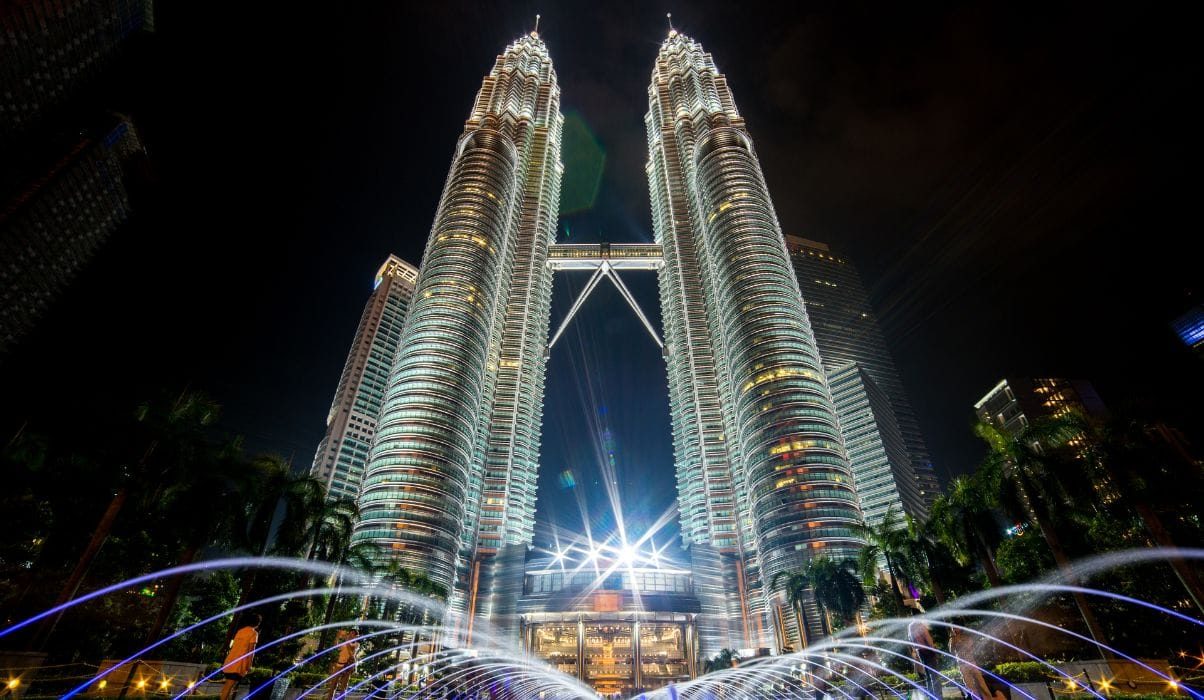
- The Vibe: A humid, bustling metropolis dominated by the Petronas Twin Towers.
- Must-Do Experiences:
- The Golden Triangle: Walk the suspended bridge at the Petronas Twin Towers (Tickets: RM98 / ~$22 USD) for a bird’s eye view of the city.
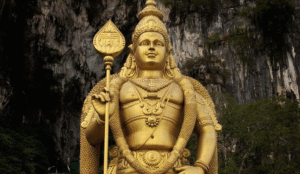
- Batu Caves: Climb the 272 colorful steps to the limestone temple dedicated to Lord Murugan. For a surreal twist, take a guided tour of the Dark Cave to see unique trapdoor spiders and bats.
- Saloma Link: Visit this bridge at night for a futuristic photo op that looks like a scene from a sci-fi movie.
- Firefly Watching: For a day trip, head to Kuala Selangor to witness thousands of fireflies lighting up the mangrove trees—a truly “surreal experience” promoted by the 2026 campaign.
- Where to Eat: Jalan Alor is famous for seafood and satay, costing RM30–RM50 ($7–$11 USD) for a feast.
- Pro Tip: If you are learning how to travel internationally for the first time, skip the taxis and use the extensive MRT/LRT train lines to navigate the city traffic-free.
2. George Town, Penang: The Food Capital of Southeast Asia
- Best For: Street food, street art, and colonial heritage.
If you visit Malaysia for the food, locals will immediately point you to Penang. George Town is a UNESCO World Heritage site that feels like a living museum.
- The Vibe: Artistic, slow-paced, and incredibly walkable.
- Must-Do Experiences:
- Street Art Hunt: Rent a bicycle (RM10 / ~$2.20 USD per day) and find the famous murals by Ernest Zacharevic hidden in the alleyways.
- Penang Hill: Take the funicular train up for British colonial bungalows and cooler air. The view from the top at night is breathtaking.
- Clan Jetties: Walk the wooden piers where Chinese clans have lived over the water for a century.
- The Blue Mansion: Visit the Cheong Fatt Tze Mansion for a tour of 19th-century Indigo-blue opulence.
- The “Hawker” Culture: Do not fear street food here; it is legendary. Try Char Kway Teow (stir-fried noodles with prawns) for just RM10 ($2.25 USD). Famous spots include the Red Garden Food Paradise and New Lane Hawker Centre.
3. Malacca City (Melaka): A Walk Through History
- Best For: History buffs and weekend markets.
Before Singapore or KL, there was Malacca. Colonized by the Portuguese, Dutch, and British, the architecture here is a unique European-Asian fusion.
- The Vibe: Riverside romance meets bustling night markets.
- Must-Do Experiences:
- Jonker Walk Night Market: (Fri–Sun nights only). This is the chaotic heart of the city, filled with street food and souvenir stalls.
- The Red Square (Dutch Square): See the Christ Church and the Stadthuys, iconic red buildings from the Dutch colonial era.
- River Cruise: Take a 45-minute boat ride at sunset (RM30 / ~$6.80 USD) to see the murals and cafes lighting up along the riverbanks.
- Food Highlight: Chicken Rice Balls—literally rice rolled into golf balls, served with steamed chicken, a dish unique to this city.
- Getting There: It’s a 2-hour drive from KL, making it perfect for a 1-2 night trip.
4. Ipoh: The Hipster’s Limestone Haven
- Best For: Coffee culture, cave temples, and colonial architecture.
Once a sleepy tin-mining town, Ipoh is now the “Brooklyn of Malaysia”. It is one of the best cities to visit Malaysia for those who prefer a quieter, more scenic vibe than Penang.
- The Vibe: Old-world charm surrounded by dramatic limestone karst mountains.
- Must-Do Experiences:
- Ipoh White Coffee: Go to the source. The beans are roasted with palm oil margarine for a rich, caramel taste. Try it at the legendary Sin Yoon Loong.
- Kek Lok Tong Cave Temple: A stunning Buddhist temple set inside a massive natural cave with a manicured zen garden in the back.
- Concubine Lane: A narrow alleyway revived with pop-up stalls, jelly-ball desserts, and boutique crafts.
- Mirror Lake (Tasik Cermin): A hidden gem where a tunnel through the limestone leads to a secluded lake reflecting the cliffs perfectly—a true “surreal experience”.
- Distance: Located halfway between KL and Penang, it is the perfect pitstop on the ETS train.
5. Kuching, Sarawak: The City of Cats & Culture
- Best For: Introduction to Borneo, museums, and relaxed vibes.
Crossing the South China Sea to Borneo, Kuching is the capital of Sarawak. The name “Kuching” sounds like the Malay word for “Cat,” and the city is obsessed with feline statues.
- The Vibe: Incredibly clean, green, and culturally distinct from the mainland.
- Must-Do Experiences:
- Semenggoh Nature Reserve: Located 20km from the city, this is where you can see semi-wild Orangutans feeding. It is more ethical and accessible than many deep-jungle treks.
- Sarawak Cultural Village: A “living museum” showcasing the longhouses of the Iban, Bidayuh, and Orang Ulu tribes. If you visit in June 2026, don’t miss the Rainforest World Music Festival held here (June 26-28, 2026).
- The Waterfront: Take a “Tambang” (traditional boat) across the river at sunset for just RM1 ($0.23 USD).
- Food Highlight: Sarawak Laksa—the “Breakfast of Gods” according to Anthony Bourdain.
6. Kota Kinabalu (KK), Sabah: Gateway to the Mountain
- Best For: Island hopping, mountain climbing, and seafood.
One of the place that have a lot of nature scenery if you want to visit Malaysia which is Capital of the state of Sabah, KK is a coastal city dominated by the sight of Mount Kinabalu (4,095m), the highest peak in Southeast Asia.
- The Vibe: A seaside resort city that serves as a basecamp for adventure.
- Must-Do Experiences:
- Tunku Abdul Rahman Marine Park: A cluster of 5 islands just a 15-minute speedboat ride from the city. Snorkel in crystal clear water for RM50 ($11 USD) boat transfers. Islands like Manukan and Mamutik are perfect for day trips.
- Mount Kinabalu: If you plan to climb, you must book 6 months in advance due to strict permitting.
- Tanjung Aru Beach: Famous for having one of the best sunsets on the planet.
- Seafood: Visit the Waterfront Seafood Night Market. You point at live fish in tanks, and they cook it instantly. Fresh lobster can cost as little as RM150 ($34 USD).
7. Langkawi (Kuah & Cenang): The Duty-Free Paradise
- Best For: Luxury resorts, duty-free shopping, and geological wonders.
While if you decided to visit Malaysia place like George Town is for culture, Langkawi is for relaxation. This archipelago of 99 islands is a dedicated “Geopark” protected by UNESCO.
- The Vibe: Tropical island life with a mix of high-end luxury (Datai Bay) and backpacker nightlife (Pantai Cenang).
- Must-Do Experiences:
- Langkawi Sky Bridge: Take the steepest cable car ride in the world to walk this curved bridge suspended 660 meters above sea level.
- Island Hopping: A 4-hour boat tour often includes the “Pregnant Maiden” lake and usually costs around RM35–RM50 ($8–$11 USD).
- Mangrove Tour: Explore the Kilim Karst Geoforest Park to see eagles feeding and explore floating fish farms.
- Pro Tip: Langkawi is a Duty-Free zone. Chocolate, alcohol, and kitchenware are significantly cheaper here than in the rest of Malaysia.
8. Cameron Highlands (Tanah Rata): The Colonial Garden
- Best For: Hiking, tea plantations, and escaping the heat.
When the tropical humidity gets too intense as you visit Malaysia, locals retreat to the Cameron Highlands. Sitting at 1,500 meters above sea level, the temperature here averages a cool 18°C–25°C.
- The Vibe: Imagine an English countryside village dropped into a tropical jungle. Strawberry farms, tea houses, and Tudor-style cottages abound.
- Must-Do Experiences:
- BOH Tea Plantation: Visit the Sungei Palas center for that iconic view of rolling green hills.
- Mossy Forest: Take a guided boardwalk tour through this misty, “Lord of the Rings”-style forest. The high altitude creates a surreal, cloud-forest atmosphere.
- Steamboat Dinner: Because it is cool at night, the local tradition is to eat “Steamboat” (hot pot) to stay warm.
- Getting There: The drive up the winding mountain roads takes about 3–4 hours from KL. If you get motion sickness, prepare accordingly!.
9. Sandakan, Sabah: The Wildlife Hub
- Best For: Wildlife conservation and eco-tourism.
Located on the east coast of Sabah, Sandakan is the jumping-off point for some of the world’s most critical animal conservation efforts.
- The Vibe: A quiet, coastal town with a deep respect for nature.
- Must-Do Experiences:
- Sepilok Orangutan Rehabilitation Centre: Watch rescued orangutans learn survival skills before being released back into the wild.
- Bornean Sun Bear Conservation Centre: Right next to Sepilok, this is the best place to see the world’s smallest bear (the mascot of Visit Malaysia 2026).
- Kinabatangan River Cruise: A 2-hour drive from town, this river offers chances to see Pygmy Elephants and Proboscis Monkeys in the wild.
- History Note: Visit the Sandakan Memorial Park, dedicated to the Australian and British prisoners of war from WWII.
10. Johor Bahru (JB): The Southern Gem
- Best For: Theme parks, shopping, and crossing into Singapore.
Often ignored as just a border town, JB has reinvented itself. It is now a vibrant city with a booming café culture and massive family attractions.
- The Vibe: Fast-developing and modern, sitting right across the causeway from Singapore.
- Must-Do Experiences:
- Legoland Malaysia: The first Legoland in Asia, featuring a water park and aquarium. Tickets are roughly RM199 (~$45 USD).
- Arulmigu Sri Rajakaliamman Glass Temple: A dazzling Hindu temple covered in glass mosaics—a hidden gem for culture lovers.
- Tan Hiok Nee Heritage Street: The cultural heart of the city, perfect for traditional coffee and banana cake.
- Logistics: Many travelers fly into Singapore (Changi Airport) and take a bus or train across the border to start their Malaysia trip here.
11. Kuala Terengganu (KT): The Guardian of Tradition
- Best For: Islamic architecture, traditional crafts, and gateway to paradise islands.
On the East Coast of the peninsula, time moves differently. This city is the heart of Malay culture, renowned for its stunning mosques and craftsmanship.
- The Vibe: Conservative, peaceful, and culturally rich. (Note: Alcohol is not widely available outside of Chinese restaurants or non-halal zones) .
- Must-Do Experiences:
- The Crystal Mosque (Masjid Kristal): A mosque made of steel and glass that shines over the river—one of the most unique religious structures in the country.
- Pasar Payang: The central market where you can buy Batik (hand-dyed fabric) and Songket (gold-threaded fabric).
- Island Gateway: This is the main port to reach Redang Island or the Perhentian Islands—arguably the best beaches in Malaysia with crystal clear water and turtles.
- Local Dish: Try Nasi Dagang (rice steamed in coconut milk with fish curry), the signature breakfast of the East Coast.
12. Putrajaya: The City of Lakes & Landmarks
- Best For: Architecture photography and modern sightseeing.
Located just 30 minutes from Kuala Lumpur, Putrajaya is the federal administrative capital. It is a planned city known for its stunning, futuristic bridges and massive lakes.
- The Vibe: Grandiose, orderly, and incredibly photogenic.
- Must-Do Experiences:
- Putra Mosque (Pink Mosque): Constructed with rose-tinted granite, this is one of the most photographed spots in the country.
- Iron Mosque (Tuanku Mizan Zainal Abidin Mosque): An architectural marvel made of 6,000 tons of steel with a unique cooling system (no air conditioning needed!).
- Cruising Tasik Putrajaya: Rent a traditional wooden boat for a lake cruise at sunset to see the city’s illuminated bridges.
- Why Visit: It is heavily featured in the Visit Malaysia 2026 campaign as a symbol of Malaysia’s modernity.
Ready to Visit Malaysia in 2026?
From the neon lights of Kuala Lumpur to the misty peaks of the Cameron Highlands, Malaysia offers a travel experience that is both affordable and surreal. Whether you are chasing the street food in Penang or the wildlife in Sandakan, the best cities to visit in Malaysia are ready to welcome you.
With the Visit Malaysia 2026 campaign in full swing, you can expect upgraded facilities and a festive atmosphere nationwide. The exchange rate is in your favor, the infrastructure is world-class, and the adventure is waiting.
Your Next Step: Don’t forget to submit your Malaysia Digital Arrival Card (MDAC) three days before you fly. Safe travels, and Selamat Datang (Welcome)!
Explore Malaysia’s Most Iconic Cities & Towns
For more information, this page connects to detailed travel guides and local insights for Malaysia’s top urban destinations:
- 12 Best Cities & Towns to Visit in Malaysia: The 2026 Guide for International Travelers
- Malaysia Travel Guide To Kuala Lumpur
- Kuala Kangsar Travel Guide: Best Things to Do
- Top Things to Do in Kuantan Pahang Malaysia
- Vibrant Johor Bahru City: The Ultimate Gateway to Singapore
- Ipoh City Uncovered: Malaysia’s Delightful Hidden Destination
- Charming Temerloh: Discover the Delicious Home of Patin Fish
- Amazing Seremban: Malaysia’s Hidden Food Haven Awaits You
- Breathtaking Weekend in Putrajaya: Malaysia’s City of Lakes and Landmarks
- Spectacular Sungai Petani: Kedah’s Blossoming City of Opportunity
- Unveiling Malaysia Taiping: The Charming Rain Town Full of Wonders
- Captivating Port Dickson: Discover Malaysia’s Best Coastal Escape
- Mesmerizing Alor Setar: A Must-Visit Jewel of Kedah’s Heritage
- Breathtaking Kuala Terengganu: The Jewel of Malaysia’s East Coast
- Alluring Bentong: The Ultimate Malaysian Destination for Durians and Relaxation
- Thrilling Gopeng: Discover the Adventure Capital of Perak
- Exploring Kuala Selangor: Fireflies and Seafood
- Cyberjaya 2026: From “Ghost Town” to Malaysia’s AI Powerhouse