Introduction to the City
Just 25 kilometers south of Kuala Lumpur lies Malaysia’s modern administrative center — a beautifully planned city filled with lakes, landscaped parks, and magnificent architecture. Designed to reflect Malaysia’s vision for sustainable urban living, this destination combines government buildings, Islamic design, and open green spaces into a serene environment ideal for a short getaway.
Table of Contents
ToggleA weekend here offers a perfect mix of sightseeing, leisure, and architectural exploration. With excellent roads and efficient transport links, visitors can easily discover everything from grand mosques to quiet gardens — all within two days.
Frequently Asked Questions (FAQ)
1. What is special about Putrajaya?
Putrajaya is Malaysia’s modern administrative capital, famous for its futuristic architecture, landscaped gardens, and scenic lakes. The city was carefully planned to blend technology, nature, and culture, making it one of the most beautiful and organized cities in Malaysia.
2. Is there anything to do in Putrajaya?
Absolutely! In Putrajaya, you can take a lake cruise, visit the stunning Putra Mosque, admire the Seri Wawasan Bridge, or relax at Taman Botani. It’s also a great place for cycling, photography, and evening strolls, especially around the waterfront.
3. What does Putrajaya mean in Malay?
In Malay, “Putrajaya” means “Prince’s Success” — derived from “Putra” (Prince) and “Jaya” (Success). The city is named in honor of Malaysia’s first Prime Minister, Tunku Abdul Rahman Putra Al-Haj, who played a key role in the nation’s independence.
4. What is the most famous thing in Kuala Lumpur?
The most famous landmark in Kuala Lumpur is the Petronas Twin Towers, once the tallest buildings in the world. Besides that, KL is well-known for its bustling shopping malls, street food, and cultural mix, making it a must-visit city for travelers.
5. Who owns Putrajaya?
Putrajaya is owned and managed by the Federal Government of Malaysia. It’s considered a Federal Territory, just like Kuala Lumpur and Labuan, and was designed to serve as the center for Malaysia’s federal administration.
History and Development
Named after Malaysia’s first Prime Minister, Tunku Abdul Rahman Putra Al-Haj, the city was planned in the early 1990s to decentralize the federal government from Kuala Lumpur. Construction began in 1995, transforming former palm oil estates into a futuristic urban landscape.
Officially launched in 1999, the administrative capital now houses most of the nation’s federal ministries. Beyond its political importance, the city stands as a symbol of modern design and sustainable living, blending traditional Islamic motifs with cutting-edge engineering.
Getting There
By Car
A 30-minute drive from Kuala Lumpur via the MEX Highway brings you straight into the heart of the city. The route is smooth and scenic, lined with landscaped boulevards and futuristic bridges.
By Train
The KLIA Transit (ERL) from KL Sentral stops at Putrajaya & Cyberjaya Station, offering a quick and comfortable ride. From there, local buses and taxis connect travelers to main attractions.
By Bus
Several bus services operate from Kuala Lumpur, Seremban, and nearby areas, providing affordable access for day trips or weekend visits.
Day 1: Exploring Architectural Icons
Putra Mosque
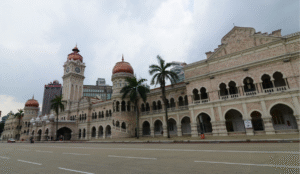
Start your morning at the Putra Mosque, one of Malaysia’s most photographed landmarks. Its pink granite façade and rose-tinted dome combine traditional Malay and Middle Eastern designs. Overlooking the central lake, the mosque offers a peaceful setting that’s especially beautiful at sunrise. Visitors are welcome outside prayer times, and respectful attire is required.
Perdana Putra (Prime Minister’s Office)
Next to the mosque stands Perdana Putra, the majestic green-domed complex that houses the Prime Minister’s Office. While entry is restricted, the surrounding square — Dataran Putra — provides a fantastic vantage point for photos and a chance to admire its intricate architecture.
Lake Cruise
Take a leisurely cruise across the main lake, which winds through the heart of the city. Modern catamarans and traditional perahu boats offer tours showcasing major landmarks, including bridges, mosques, and government buildings. The calm waters and skyline views make this experience both relaxing and educational.
Bridges of the City
This destination is famous for its architecturally distinct bridges. Among the most iconic are:
- Seri Wawasan Bridge – Resembling a ship’s sail, illuminated beautifully at night.
- Seri Gemilang Bridge – Modeled after European ceremonial bridges.
- Seri Saujana Bridge – A modern steel-arch masterpiece connecting key precincts.
Each structure demonstrates Malaysia’s commitment to design innovation and urban harmony.
Day 2: Nature, Parks, and Relaxation
Your second day is perfect for immersing yourself in the city’s green spaces and recreational attractions.
Botanical Garden
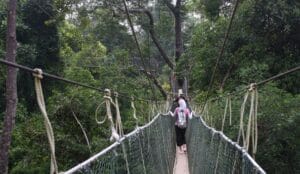
Begin at the Botanical Garden (Taman Botani), one of Malaysia’s largest tropical gardens. Spread across 90 hectares, it features themed zones such as the Floral Steps, Palm Hill, and Sun Garden. Visitors can explore by bicycle or on foot, and the canopy bridge offers panoramic views of the park.
Wetlands Park
Continue to Wetlands Park, an eco-friendly sanctuary that acts as a natural water filtration system and bird habitat. Storks, herons, and egrets can often be seen along the boardwalks. Observation towers provide sweeping views, and picnic spots are ideal for families and nature lovers.
Farm in the City (for Families)
For those visiting with children, Farm in the City is a family-friendly attraction nearby. Guests can feed and interact with rabbits, birds, and reptiles while learning about conservation and local wildlife.
Outdoor Activities
Among the most popular things to do in Putrajaya are cycling, kayaking, and lakeside picnics. Visitors can rent bicycles or pedal boats at several recreation areas. Early mornings and evenings are perfect times for scenic rides around the lake.
Architectural and Cultural Highlights
Iron Mosque (Tuanku Mizan Zainal Abidin Mosque)
Also called the Iron Mosque, this structure blends steel and glass to create a cool, open space with natural ventilation. Its minimalist design contrasts beautifully with the pink tones of the Putra Mosque, offering a modern interpretation of Islamic architecture.
Millennium Monument
The Millennium Monument (Monumen Alaf Baru) commemorates Malaysia’s historical milestones since independence. The tower’s spiral pathway leads visitors through the nation’s progress, while the viewing deck offers panoramic views of the lake and city skyline.
Convention Centre
Perched on a hilltop, the Putrajaya International Convention Centre (PICC) is a landmark of modern engineering. The observation deck provides one of the best panoramic views of the city, particularly striking during sunset.
Cultural Events and Nightlife
Night Tour
At night, the city transforms into a dazzling display of lights. Government buildings, mosques, and bridges glow in vibrant colors, creating stunning reflections on the water. Taking a night cruise or photography walk is among the top things to do in Putrajaya after sunset.
Festivals and Annual Events
Throughout the year, the city hosts exciting events such as:
- Floria Putrajaya (Flower Festival) – A colorful showcase of floral art.
- Putrajaya International Hot Air Balloon Fiesta – Featuring giant balloons and family fun.
- Water Sports Festival – Competitions and exhibitions celebrating Malaysia’s love of outdoor recreation.
These festivals highlight the community’s creative and lively spirit.
Dining and Local Food Experiences
Malaysian Cuisine
Food is a central part of any Malaysian experience. Popular restaurants here serve classics such as nasi lemak, satay, and grilled seafood. Try Restoran Putrajaya Seafood for a scenic lakeside meal or Sate Kajang Hj Samuri for authentic satay.
Cafes and Modern Dining
Trendy spots like Méli Mélo Café and Nasi Dulang Kampung Baru serve local dishes and fusion meals in cozy settings. Many cafés around the lake offer great coffee, pastries, and picturesque views — ideal for relaxing after a day of exploring.
Night Market Discoveries
The weekend night market draws both locals and visitors with its vibrant mix of food, crafts, and clothing. Sampling grilled seafood, rojak, and cendol is one of the most enjoyable things to do in Putrajaya for food enthusiasts.
Shopping and Souvenirs
The city’s main mall, Alamanda Shopping Centre, offers retail stores, entertainment, and dining under one roof. For something unique, visit smaller markets selling handicrafts, traditional snacks, and locally made souvenirs. Batik scarves, keychains, and handmade jewelry are among popular keepsakes for travelers.
Where to Stay
This capital city offers accommodations for every budget:
- Luxury: Pullman Lakeside, Marriott Hotel
- Mid-range: Zenith, Dorsett
- Budget: The Everly Hotel, Pulse Grande
Many properties feature lake views, swimming pools, and easy access to main attractions — ideal for a comfortable weekend retreat.
Green City and Sustainability
Environmental awareness is central to the city’s design. Over one-third of the land is reserved for parks, lakes, and open spaces. Solar-powered streetlights, bicycle paths, and electric buses reflect the government’s focus on sustainability. Visitors can experience this firsthand by exploring on foot or cycling through the scenic boulevards.
Getting Around
- Public Buses: Operated by Nadiputra, connecting main landmarks and neighborhoods.
- Cycling: Dedicated paths make cycling safe and enjoyable.
- E-hailing Services: Grab and taxis are widely available.
Tour Buses: Hop-on-hop-off options allow convenient sightseeing for first-time visitors.
Suggested Weekend Itinerary
Day 1
- Morning: Visit Putra Mosque and Perdana Putra
- Afternoon: Take a lake cruise and explore iconic bridges
- Evening: Dinner by the water and night photography
Day 2
- Morning: Botanical Garden and Wetlands Park
- Afternoon: Iron Mosque and Millennium Monument
- Evening: Shopping or café-hopping before departure
This itinerary balances sightseeing, nature, and leisure — ideal for travelers with limited time.
Why Visit This Modern Capital
What makes this destination stand out is its harmonious mix of architecture, nature, and tranquility. Unlike Kuala Lumpur’s high-energy vibe, this city offers a slower pace while showcasing Malaysia’s progress in design and urban planning. Whether you’re exploring government buildings or relaxing by the lake, every corner reflects thoughtful planning and aesthetic balance.
Conclusion
A weekend trip to Malaysia’s administrative capital offers a refreshing escape from city life. With its blend of Islamic-inspired architecture, lush gardens, and scenic lakes, the area stands as one of the country’s most beautifully designed destinations.
There’s no shortage of things to do in Putrajaya — from exploring landmarks and cruising the lake to enjoying food markets and green parks. If you’re looking for a peaceful yet inspiring getaway, this modern masterpiece welcomes you with open arms.
Explore Malaysia’s Most Iconic Cities & Towns
For more information, this page connects to detailed travel guides and local insights for Malaysia’s top urban destinations:
- 12 Best Cities & Towns to Visit in Malaysia: The 2026 Guide for International Travelers
- Malaysia Travel Guide To Kuala Lumpur
- Kuala Kangsar Travel Guide: Best Things to Do
- Top Things to Do in Kuantan Pahang Malaysia
- Vibrant Johor Bahru City: The Ultimate Gateway to Singapore
- Ipoh City Uncovered: Malaysia’s Delightful Hidden Destination
- Charming Temerloh: Discover the Delicious Home of Patin Fish
- Amazing Seremban: Malaysia’s Hidden Food Haven Awaits You
- Breathtaking Weekend in Putrajaya: Malaysia’s City of Lakes and Landmarks
- Spectacular Sungai Petani: Kedah’s Blossoming City of Opportunity
- Unveiling Malaysia Taiping: The Charming Rain Town Full of Wonders
- Captivating Port Dickson: Discover Malaysia’s Best Coastal Escape
- Mesmerizing Alor Setar: A Must-Visit Jewel of Kedah’s Heritage
- Breathtaking Kuala Terengganu: The Jewel of Malaysia’s East Coast
- Alluring Bentong: The Ultimate Malaysian Destination for Durians and Relaxation
- Thrilling Gopeng: Discover the Adventure Capital of Perak
- Exploring Kuala Selangor: Fireflies and Seafood
- Cyberjaya 2026: From “Ghost Town” to Malaysia’s AI Powerhouse