Penanggalan: The Floating Head Legend of Malaysia
Malaysia is home to a treasure trove of fascinating folklore, filled with stories that weave mystery, fear, and cultural wisdom together. Among its most spine-chilling tales is that of the penanggalan — a ghostly creature that floats through the night, its head detached from its body, entrails trailing beneath it. This terrifying spirit is one of Southeast Asia’s most haunting supernatural beings and continues to fascinate locals and horror enthusiasts around the world.
Table of Contents
ToggleThe penanggalan legend has survived for centuries, passed down through generations in whispers around the kampung fire. It’s a story that not only stirs fear but also reveals deep insight into traditional Malaysian beliefs about morality, purity, and the unseen world.
Frequently Asked Questions (FAQ)
1. What is the story of the Penanggalan?
The Penanggalan is a terrifying ghost from Malaysian folklore, said to be a woman who practices black magic and becomes a floating head with her entrails hanging below. At night, she detaches her head from her body to fly around searching for blood, often targeting mothers and newborns. During the day, she returns to her body to appear as a normal woman.
2. What is the difference between a Penanggalan and a Krasue?
The Penanggalan and the Krasue are similar spirits from Southeast Asia, but their stories differ slightly. The Penanggalan comes from Malaysia, while the Krasue is from Thailand and Cambodia. Both appear as floating female heads with glowing entrails, but the Penanggalan is often linked to witchcraft and childbirth, while the Krasue is sometimes seen as a cursed spirit seeking redemption.
3. What are the powers of a Penanggalan?
The Penanggalan is believed to have supernatural abilities, such as flying silently at night, squeezing through tight spaces, and luring victims with her beauty or scent. Her main power is to drain the blood of living people, especially women in childbirth. She can also avoid detection by returning to her human body before sunrise.
4. What is the story behind the Pontianak?
The Pontianak is another female ghost from Malay legend, said to be the spirit of a woman who died during childbirth. Unlike the Penanggalan, she appears as a beautiful woman dressed in white, using her beauty to lure men before revealing her terrifying true form. Her story often reflects themes of revenge, loss, and tragedy, serving as a reminder of respect and compassion.
5. What is the most famous folktale?
Malaysia has many famous folktales, but among the most well-known are the legends of the Pontianak, Mahsuri, Puteri Gunung Ledang, and the Penanggalan. Each story reflects Malaysia’s cultural diversity and rich storytelling tradition, blending elements of morality, mystery, and the supernatural that continue to captivate people today.
The Origins of the Myth
When exploring Malaysian folklore, few tales are as compelling as the Origin of the Penanggalan myth. Rooted in the ancient animistic and spiritual beliefs of the Malay Archipelago, the story of this floating head spirit is believed to have emerged from the fear of dark magic, illness, and moral transgression.
According to legend, the entity was once a beautiful woman who practiced witchcraft or black magic to preserve her youth or gain supernatural power. One night, while performing a forbidden ritual, she was caught off guard. In a moment of panic, her head tore free from her body, dragging her spine and organs along. From that moment on, she was cursed to roam the earth as a bloodthirsty creature — a ghastly symbol of vanity and sin.
In another version of the Origin of the Penanggalan myth, the spirit is a midwife who used dark powers to heal but eventually betrayed her vows of purity. Her punishment was eternal — doomed to transform each night into the horrifying entity, seeking blood to sustain herself.
What Does the Penanggal Look Like?
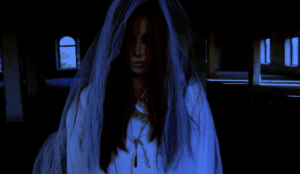
Descriptions of the penanggal vary slightly across regions, but the general image is unmistakable: a floating female head with glowing red eyes, sharp teeth, and long black hair matted with blood. Beneath her neck dangle her internal organs — heart, lungs, stomach, and intestines — still dripping with fluids that emit a foul stench.
Witnesses claim that the sound of a penanggal is distinct — a faint slurping noise or wet flapping sound as it glides through the night sky. The creature is said to glow faintly in the dark, a terrifying sight for anyone who dares to be out late at night in the village.
The Penanggalan’s Hunger for Blood
The penanggal is most active during the night, especially around childbirth or menstruation — times traditionally associated with blood and impurity in old beliefs. It hunts for pregnant women and newborns, feeding on their blood to maintain its beauty and strength. Villagers would often hang thorny branches like pandan leaves or jeruju around their homes, believing the spirit’s exposed entrails would snag on the sharp edges and trap her.
Midwives, healers, and older villagers were sometimes accused of being penanggal in disguise, particularly if strange illnesses or deaths occurred after childbirth. This belief created both fear and respect toward women with spiritual knowledge, as people were unsure whether they were healers or hidden threats.
How the Penanggal Hides Among Humans
One of the most disturbing aspects of the penanggal legend is that the spirit can live among ordinary people by day. During daylight, she appears as a normal woman — often beautiful and calm. But when night falls, her head detaches from her body to begin her grisly hunt.
According to the Origin of the Penanggalan myth, the creature hides her empty body inside her home or secret chamber before leaving to feed. Before dawn, she must return and reattach herself before anyone discovers her secret. If the body is moved, hidden, or destroyed, she will die in agony, unable to return to her human form.
Some villagers were said to pour shards of glass or thorny vines into the creature’s neck cavity to kill her when she tries to reattach. These traditional methods became part of folklore — ways to protect communities from supernatural evil.
The Penanggal Across Southeast Asia
While the penanggal is a staple of Malaysian folklore, similar legends appear in neighboring countries, reflecting the shared cultural and spiritual roots of the region. In Indonesia, she is known as Leak or Leyak in Bali, and in Thailand, a similar spirit called Krasue haunts rural villages. In Cambodia, she is the Ahp, and in the Philippines, the Manananggal — each version carrying unique traits but bound by the same theme: a woman cursed to feed on blood for power or survival.
This widespread myth shows how communities across Southeast Asia once explained mysterious illnesses, deaths during childbirth, or strange nocturnal sightings. It was a way to make sense of the unknown, blending fear with morality and the supernatural.
Symbolism Behind the Legend
The penanggal isn’t just a horror story — it’s also a cultural lesson wrapped in fright. It represents several deep-rooted beliefs in Malaysian society, particularly about purity, morality, and the consequences of using dark forces for personal gain.
In many interpretations, the penanggal symbolizes hypocrisy — a person who appears virtuous in public but hides a darker, selfish nature. Her detachable form mirrors the duality of human behavior: outward beauty concealing inner corruption.
The tale also warns against obsession with physical beauty and immortality. Just as the woman’s attempt to preserve her youth led to her damnation, the legend reminds listeners that vanity and greed can destroy the soul.
The Role of the Penanggal in Traditional Communities
Before modern medicine, maternal deaths and miscarriages were tragically common. When such misfortunes occurred, people often turned to supernatural explanations. The penanggal became a symbolic figure — a scapegoat to rationalize mysterious tragedies. Midwives were both revered and feared; their ability to handle childbirth made them powerful, but that same power could make them targets of suspicion.
Villages developed protective customs, many of which are still remembered today. Thorny plants, garlic, vinegar, and prayers were used to guard homes. Mothers were advised to stay indoors after childbirth and keep strong scents like asam jawa (tamarind) nearby to repel spirits. These rituals weren’t just superstition; they also served practical purposes — maintaining hygiene and restricting contact during a vulnerable period.
How the Penanggal Legend Lives On Today
Even in the age of skyscrapers and smartphones, the penanggal continues to haunt the imagination of Malaysians. The legend thrives in pop culture — featured in horror films, TV dramas, comic books, and ghost stories shared online. From the 1981 Malaysian film Penanggal to more recent short films, storytellers continue to reinvent the myth for modern audiences.
In these adaptations, the penanggal is sometimes portrayed as tragic rather than evil — a victim of circumstance, cursed by love or betrayal. This shift reflects modern empathy and fascination with misunderstood monsters. Audiences today are drawn not only to the fear but also to the sorrow behind the legend.
The Origin of the Penanggalan myth continues to intrigue scholars, writers, and folklorists. Some explore how it reflects gender dynamics — the fear of female power, especially surrounding childbirth and sexuality. Others see it as an allegory for hidden guilt or suppressed desire.
Comparing the Penanggal to Other Malaysian Spirits
Malaysia’s folklore is filled with a diverse cast of supernatural beings — each reflecting a moral, fear, or social message. The penanggal shares thematic ground with spirits like the Pontianak, who also preys on the vulnerable, and the Langsuir, another ghost born from a woman’s suffering during childbirth.
While the Pontianak embodies vengeance, the penanggal symbolizes temptation and corruption. Both spirits are rooted in women’s stories — narratives that reveal how society once viewed power, purity, and transgression.
In contrast, male spirits like Hantu Raya or Orang Bunian often represent greed or spiritual contracts. Together, these myths paint a vivid picture of Malaysia’s traditional moral universe — one where every supernatural creature has a human lesson behind it.
Modern Interpretations: Fear Meets Fascination
Today, the penanggal has evolved into a pop culture icon that bridges ancient folklore and contemporary storytelling. Filmmakers use her image to explore modern anxieties — the clash between tradition and technology, the fear of losing identity, and the power of women’s narratives.
Artists reinterpret the penanggal in new forms — from digital illustrations to cosplay and urban legends told on social media. Despite modernization, Malaysians still find thrill and pride in these age-old tales. They are reminders of a shared heritage that refuses to fade.
In rural areas, some still whisper of unexplained happenings — livestock mysteriously dying, faint lights in the forest, or eerie noises at night. Whether or not one believes in the supernatural, the penanggal continues to cast her eerie charm over Malaysia’s cultural imagination.
Lessons from the Legend
Every culture uses its myths to teach, warn, and comfort. The story of the penanggal does all three. It teaches humility, warns against vanity and greed, and comforts people by providing an explanation for life’s mysteries.
Even in the 21st century, as Malaysia embraces progress, the penanggal remains a haunting symbol of its cultural depth. The legend endures not just because it frightens, but because it reflects timeless human struggles — fear of the unknown, moral temptation, and the cost of forbidden knowledge.
Conclusion: The Eternal Flight of the Penanggal
The legend of the penanggal is more than a ghost story — it’s a cultural masterpiece, blending fear, morality, and mythology into one unforgettable tale. From its ancient beginnings to its modern interpretations, it has remained one of Malaysia’s most captivating supernatural legends.
The Origin of the Penanggalan myth reminds us that stories, like spirits, never truly die. They evolve, adapt, and continue to haunt our imagination. Whether seen as a monster or a misunderstood soul, the penanggal will forever glide through Malaysia’s folklore — a floating reminder of the power of belief, and the mysteries that linger just beyond the light.