Malaysia’s Traditional Games: Congkak, Sepak Takraw, and More
Malaysia is a country rich in culture, history, and tradition, and its traditional games reflect this vibrant heritage. Long before digital devices and online gaming, children and adults alike would gather in villages, town squares, and schoolyards to enjoy games passed down through generations. These games were not just about entertainment—they helped foster social bonds, sharpened skills, and even encouraged healthy competition.
From the strategic moves of congkak to the acrobatic feats of sepak takraw Malaysia, the variety of Malaysia traditional games is fascinating for anyone curious about Southeast Asian culture. In this article, we explore some of the most iconic traditional games of Malaysia, their history, rules, and why they remain relevant today.
Frequently Asked Questions (FAQ)
1.What is the traditional game in Malaysia?
Malaysia has a variety of traditional games that reflect its cultural diversity. Popular games include Congkak, Batu Seremban, and Sepak Takraw Malaysia. These games have been passed down for generations and are played for fun, education, and social bonding.
2. How to play Congkak in Malaysia?
Congkak is a strategic board game played with small seeds or shells. Players take turns distributing seeds in a wooden board with two rows of holes and try to capture more seeds than their opponent. It develops planning, counting skills, and strategic thinking.
3. What is the Batu Seremban game?
Batu Seremban, also called “Five Stones,” is a traditional game played with five small stones or beanbags. Players toss and catch the stones in a series of increasingly complex sequences. It improves hand-eye coordination, focus, and social interaction.
4. Why is Sepak Takraw Malaysia's national game?
Sepak Takraw Malaysia is considered a national game because of its historical significance and popularity. This high-energy sport, resembling a combination of volleyball and soccer using a rattan ball, showcases agility, teamwork, and Malaysia’s rich sporting culture.
5. Why are traditional games important to preserve?
Preserving traditional games keeps Malaysia’s cultural heritage alive. These games teach values such as teamwork, strategy, and physical fitness while connecting generations and fostering community engagement. They are essential for cultural identity and education.
The Cultural Importance of Traditional Games in Malaysia
Traditional games in Malaysia are more than just pastimes—they are a window into the country’s diverse cultural landscape. Malaysia is home to Malays, Chinese, Indians, and indigenous communities, each contributing unique games and playstyles.
Historically, these games served multiple purposes:
- Social cohesion: Communities gathered for leisure and festivity, strengthening relationships.
- Skill development: Games like sepak takraw Malaysia improve agility, coordination, and reflexes.
- Cultural preservation: Playing and teaching traditional games keeps local heritage alive for younger generations.
With globalization and modern technology, some Malaysia traditional games have faded in urban centers. However, efforts by schools, cultural organizations, and festivals continue to revive interest in these games.
Congkak: Malaysia’s Timeless Board Game
What is Congkak?
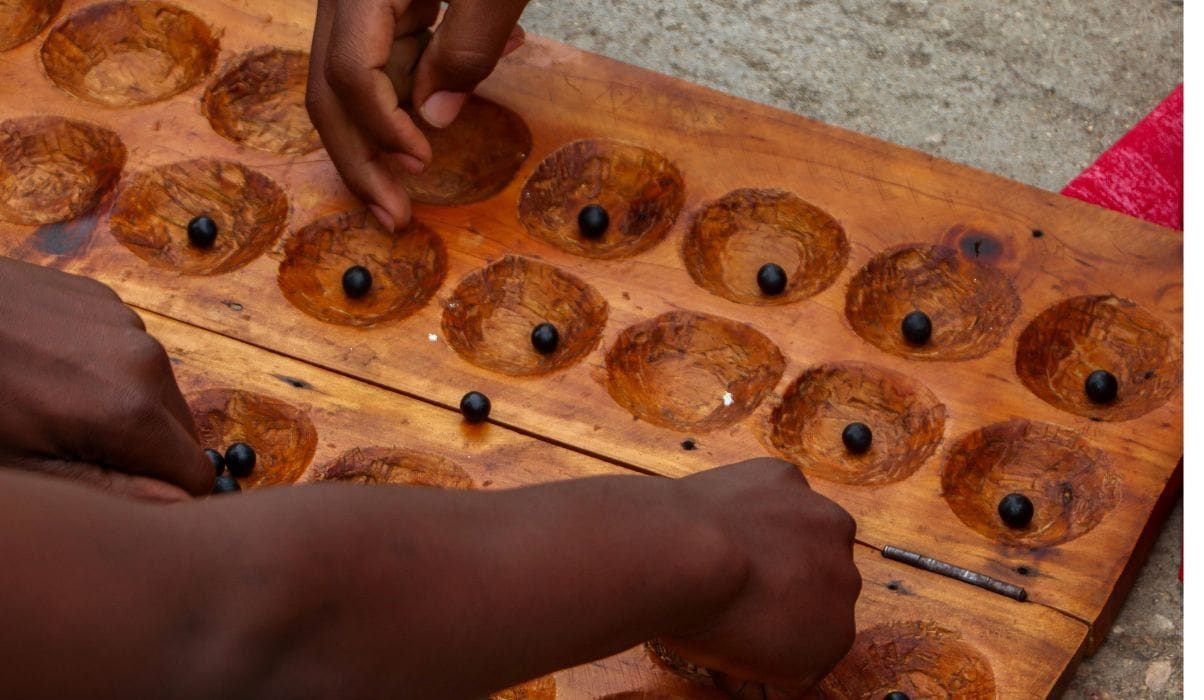
Congkak is one of the oldest and most beloved traditional games in Malaysia. Originating from the Malay Archipelago, this game is played on a wooden board with two rows of seven holes (known as “houses”) and two larger end holes called “stores.” Each player uses small shells, seeds, or marbles to move around the board strategically.
How to Play Congkak
Playing congkak requires strategy, patience, and foresight. Here’s a simplified guide:
- Setup: Each house starts with seven seeds. The larger store at each end is empty.
- Turn: Players pick up all seeds from one house and distribute them one by one in a clockwise direction.
- Capturing Seeds: If the last seed lands in an empty house on your side, you capture seeds in the opposite house.
- Winning: The player with the most seeds in their store at the end wins.
Although simple in concept, mastering congkak involves strategic thinking, making it a favorite for both children and adults.
Congkak and Education
Interestingly, congkak is more than a game—it teaches children mathematical thinking and planning. Many schools in Malaysia use it as an informal teaching tool for arithmetic, problem-solving, and turn-taking skills.
Sepak Takraw: The High-Flying Sport of Malaysia
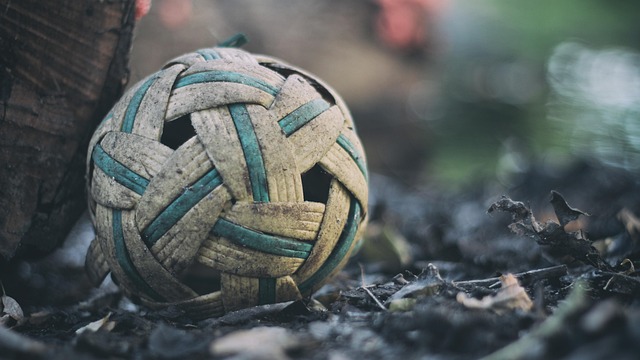
While congkak emphasizes mental skill, sepak takraw Malaysia is all about agility, athleticism, and reflexes. Sometimes described as a fusion of volleyball and soccer, this game involves kicking a rattan ball over a net without using hands. It is a competitive sport with professional leagues, particularly popular in Malaysia, Thailand, and Indonesia.
Rules and Gameplay
The rules of sepak takraw Malaysia are simple yet challenging:
- Teams of three players face off on a court similar in size to a badminton court.
- Players use their feet, knees, chest, and head to hit the ball over the net.
- Each team is allowed a maximum of three touches per side before sending the ball back.
- Points are scored when the opposing team fails to return the ball within the allowed touches.
The game demands extraordinary flexibility, balance, and timing, making it visually impressive and physically demanding.
Cultural Significance
Sepak takraw Malaysia is more than just a sport; it is a cultural symbol that reflects Malaysia’s love for physical activity, teamwork, and national pride. Tournaments often coincide with cultural festivals, drawing crowds who cheer enthusiastically for local teams.
Batu Seremban: A Fun and Competitive Pastime
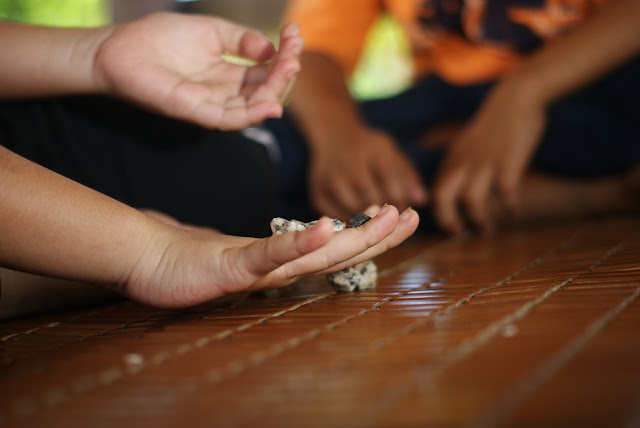
Another notable Malaysia traditional game is game batu Seremban, also known internationally as “five stones.” This game is simple, inexpensive, and perfect for developing hand-eye coordination.
How to Play Batu Seremban
Batu Seremban uses five small stones or beanbags. Players toss and catch the stones in a series of increasingly complex maneuvers:
- Throw and Catch: Toss one stone in the air, pick up another stone from the ground, and catch the first before it lands.
- Combination Moves: Progress to picking up multiple stones in one toss or juggling them in the air.
- Scoring: Each successful sequence earns a point, and mistakes result in passing the turn to the next player.
This game was a staple among Malaysian children in the 1970s and 1980s and remains popular in rural areas and during cultural events.
Why Batu Seremban Matters
Beyond entertainment, game batu Seremban helps develop focus, dexterity, and rhythm. It is also a social game, often played in groups where players share laughter, competition, and camaraderie.
Modern Revival of Traditional Games
Despite the surge of video games and online entertainment, Malaysia traditional games are experiencing a revival. Communities, schools, and tourism boards are promoting these activities to preserve cultural heritage and encourage physical activity.
Community Initiatives
- Cultural Festivals: Many Malaysian states host festivals that include competitions in congkak, batu Seremban, and sepak takraw Malaysia.
- School Programs: Primary and secondary schools are integrating traditional games into physical education and extracurricular activities.
- Tourism and Workshops: Tourists visiting Malaysia can participate in traditional games workshops to learn local culture hands-on.
Social Media Influence
Interestingly, social media platforms like TikTok and Instagram have introduced a younger audience to these games. Creative challenges, tutorials, and competitions have sparked renewed interest among children and teenagers, making traditional games trendy once again.
Health and Development Benefits of Traditional Games
Engaging in Malaysia traditional games offers more than entertainment. The benefits span physical, cognitive, and social development:
- Physical Health: Games like sepak takraw Malaysia enhance agility, coordination, and cardiovascular fitness.
- Cognitive Skills: Strategic games like congkak encourage problem-solving, concentration, and arithmetic skills.
- Social Interaction: Traditional games foster teamwork, communication, and community bonding.
- Cultural Awareness: Playing these games immerses participants in Malaysian traditions, history, and social values.
Why Tourists Should Try Malaysia’s Traditional Games
For travelers from the United States, Singapore, or Australia, participating in Malaysia traditional games offers a unique cultural experience that goes beyond sightseeing.
- Interactive Learning: Tourists can engage with locals and understand Malaysia’s cultural heritage through hands-on experiences.
- Fun Challenges: Even visitors unfamiliar with the rules will enjoy the challenge and excitement of these games.
- Cultural Appreciation: Learning and playing these games demonstrates respect for Malaysian traditions and fosters meaningful cultural exchange.
Whether it’s the mental strategy of congkak, the agility of sepak takraw Malaysia, or the dexterity required for game batu Seremban, tourists will leave with unforgettable memories and stories to share.
Preserving Traditional Games for Future Generations
Preservation of Malaysia traditional games requires active participation from all levels of society. Here are some ways this can happen:
- Educational Integration: Encourage schools to teach traditional games as part of curriculum and extracurricular activities.
- Community Support: Local communities can organize regular tournaments and social events centered around these games.
- Government Initiatives: Cultural agencies and tourism boards can fund programs that highlight traditional games in public spaces.
- Digital Adaptation: Mobile apps and online platforms can gamify traditional games to appeal to tech-savvy younger generations.
By combining education, social engagement, and digital innovation, Malaysia can ensure that its traditional games remain vibrant for generations to come.
A Deeper Dive into Congkak: Strategy, Variations, and Stories
While most people recognize congkak as a simple board game, its depth and history are surprisingly rich. Traditionally, congkak boards were hand-carved from wood, often beautifully decorated with motifs representing nature, animals, or even royal symbols. These boards were considered family heirlooms, passed from generation to generation, reflecting both artistry and cultural pride.
Variations Across Malaysia and the Region
Though the Malaysian version of congkak is widely known, similar games exist throughout Southeast Asia:
- Indonesia: Called “Dakon,” it shares the same basic gameplay but may use different seed types.
- Philippines: Known as “Sungka,” it often has larger boards and slightly different rules, popular among island communities.
- Singapore and Brunei: Play styles are similar to Malaysia but may include unique rituals before starting the game, such as blessings or chants for luck.
These variations illustrate the shared cultural heritage of the Malay Archipelago and demonstrate how games evolve within local contexts while maintaining their core principles.
Congkak as a Tool for Mental Fitness
Modern studies highlight how congkak can help children develop strategic thinking. Players learn to anticipate moves, plan multiple steps ahead, and respond to opponents’ strategies. It’s a gentle but effective way to train the brain while having fun. Teachers in Malaysia have even introduced congkak tournaments in schools, helping students cultivate patience, logical thinking, and competitiveness in a positive setting.
Stories and Anecdotes
In many Malaysian villages, congkak was more than a pastime—it was a storytelling ritual. Grandparents would play with grandchildren while narrating folktales, legends, and moral lessons. Some older players even recall making bets with snacks or small coins, which added excitement to each game.
Sepak Takraw Malaysia: More Than Just a Sport
While congkak appeals to the mind, sepak takraw Malaysia dazzles with physical prowess. For outsiders from the United States, Singapore, or Australia, watching a professional sepak takraw Malaysia match can be a jaw-dropping experience. Players execute mid-air kicks, spinning volleys, and rapid reflex saves that resemble martial arts choreography more than a traditional sport.
History and Evolution
Sepak takraw Malaysia has roots dating back several centuries. The game originated from a ball game called “Sepak Raga,” played in the Malay courts and villages. Initially, the ball was made from woven rattan, similar to today’s version, and the objective was to keep it airborne using only the feet, knees, chest, and head.
In the 20th century, formal rules and competitive leagues emerged, giving sepak takraw Malaysia international recognition. Today, Malaysia is considered one of the powerhouses of the sport, regularly winning regional tournaments like the Southeast Asian Games.
Techniques and Training
To excel in sepak takraw Malaysia, players follow rigorous training regimens:
- Flexibility exercises: Essential for high kicks and acrobatic maneuvers.
- Strength and conditioning: Leg muscles must be strong for jumps, while core strength stabilizes mid-air movements.
- Strategic gameplay: Teams coordinate spikes, serves, and defense patterns, making it as tactical as it is athletic.
For tourists or casual players, trying sepak takraw Malaysia even at a beginner level offers a thrilling introduction to Malaysia’s sporting culture.
Game Batu Seremban: Fun and Social Connection
While sepak takraw Malaysia may awe with athleticism, game batu seremban remains a beloved casual game. Its charm lies in simplicity—it requires minimal equipment and can be played almost anywhere.
Cultural Role of Batu Seremban
Game batu seremban was a staple during traditional Malaysian festivities, especially during Hari Raya and school holidays. Children would gather in small groups on pavements or under trees, competing to see who could complete increasingly difficult sequences without dropping the stones.
Modern Adaptations
Interestingly, game batu seremban has found new life in contemporary Malaysia. Some communities organize competitions, while creative enthusiasts have developed digital versions of the game for mobile phones and tablets. These adaptations help younger generations engage with Malaysia traditional games even if physical play is less common in urban settings.
Skills Developed
Playing game batu seremban hones coordination, reflexes, and patience. It also encourages social interaction, as players must wait their turn, share tips, and celebrate each other’s successes. This social element highlights why traditional games remain relevant despite the popularity of modern entertainment.
Traditional Games and Festivals: A Cultural Showcase
Malaysia hosts a variety of festivals where traditional games are featured prominently. Participating in these events offers an immersive cultural experience.
Examples of Cultural Festivals
- Hari Raya Celebrations: Villages and neighborhoods host congkak competitions for children, alongside traditional dances and food fairs.
- Merdeka Day (Independence Day): National events often include sports demonstrations like sepak takraw Malaysia, showing off acrobatic displays to large audiences.
- State-Level Cultural Festivals: Some states in Malaysia, such as Kelantan and Terengganu, feature exhibitions of game batu seremban and other regional games.
Tourists attending these festivals often find that joining in the games is a fun and meaningful way to interact with locals.
Engaging the Younger Generation
One of the biggest challenges facing Malaysia traditional games is urbanization. With smartphones and video games dominating free time, fewer children are familiar with these pastimes. To address this, schools and cultural organizations are introducing creative ways to keep traditional games alive:
- Educational Workshops: Kids learn the rules and history of games like congkak in a classroom setting.
- Digital Tutorials: YouTube channels and TikTok influencers demonstrate gameplay techniques for game batu seremban and sepak takraw Malaysia.
- Community Competitions: Friendly tournaments encourage children to practice regularly, blending fun with physical and mental skill-building.
By integrating modern technology and traditional knowledge, Malaysia ensures that its cultural games remain accessible and appealing.
International Comparisons: How Malaysia’s Games Stand Out
For readers from the United States, Singapore, or Australia, Malaysia traditional games may seem unique compared to Western games like baseball, soccer, or chess. However, the appeal is universal:
- Mental Skill: Like chess, congkak demands strategic planning.
- Physical Agility: Sepak takraw Malaysia combines the agility of volleyball with the precision of martial arts kicks.
- Dexterity and Timing: Game batu seremban is similar in skill development to juggling or hand-eye coordination games in Western culture.
These games highlight that play is a universal human experience, transcending geography while reflecting the unique cultural identity of Malaysia.
How Tourists Can Experience Malaysia’s Traditional Games
For visitors, participating in Malaysia traditional games is an unforgettable cultural experience. Here are practical ways to get involved:
- Cultural Villages: Many states host interactive cultural villages where tourists can learn congkak and game batu seremban.
- Sports Clubs: Some clubs offer beginner sepak takraw Malaysia sessions for tourists.
- Workshops at Resorts: Resorts in areas like Langkawi or Cameron Highlands often organize traditional game workshops for families.
- Festivals and Street Events: Time your visit to coincide with local festivals where games are showcased.
Even for first-timers, the experience is immersive, engaging, and educational.
Preserving Malaysia’s Traditional Games: A Community Effort
Ensuring that Malaysia traditional games survive for future generations requires concerted effort:
- Local Participation: Communities must actively play and teach these games.
- School Programs: Educational institutions can integrate traditional games into physical education and social studies curricula.
- Government Support: Ministries and cultural agencies can fund programs, competitions, and cultural awareness campaigns.
- Global Promotion: Tourists sharing their experiences on social media helps raise awareness and appreciation internationally.
The future of these games depends on blending tradition with modern innovation, ensuring that young Malaysians—and international audiences—can experience the joy of play.
Conclusion
Malaysia’s traditional games—from congkak to sepak takraw Malaysia and game batu seremban—offer a rich blend of culture, strategy, and physical activity. These games are not only a source of fun and entertainment but also a reflection of Malaysia’s cultural identity and social fabric.
Whether you are a tourist seeking an authentic cultural experience or a local looking to reconnect with your heritage, participating in Malaysia traditional games is a rewarding journey. So, the next time you visit Malaysia, don’t just admire its landscapes and cuisine—grab some seeds, a rattan ball, or a handful of stones, and immerse yourself in the joy of these timeless games.
Call-to-Action: Explore more about Malaysia’s vibrant culture and try your hand at these traditional games. Share your experiences online to inspire others to embrace Malaysia’s heritage!
Discover Malaysia’s Living Heritage
To explore the intricate craftsmanship and vibrant performances that define our culture, this page connects to detailed guides and facts about Malaysian arts:
- 7 Ancient Malaysian Traditional Crafts at Risk
- Wayang kulit: History and The Significance
- Traditional Dance of Malaysia
- Traditional Malay Weddings: Rituals, Symbolism, and Celebrations
- Why Malaysian Batik Still Matters: The Stories
- Malaysia’s Traditional Games: Congkak, Sepak Takraw, and More
- Exploring 3 Amazing Malaysia Art
- Silat Martial Art: 10 Unique Styles of Silat