Bird’s Nest Soup: Why People Pay $100 for Swiftlet Spit
If you told the average diner in New York or Sydney that one of the most expensive delicacies in the world is essentially solidified saliva, they might think you are pulling a prank. Yet, for centuries, emperors, beauty moguls, and health enthusiasts across Asia have revered this very ingredient. We are talking about the edible bird’s nest, the core ingredient of the famous bird’s nest soup.
Table of Contents
ToggleAt a price point that can rival high-end truffles or caviar, this “caviar of the East” is surrounded by mystique. Is it just a status symbol? Is it a superstition? Or is there actual science backing the high price tag? For the uninitiated, the concept of a bird spit drink might sound unappealing, but once you look past the origin, you find a superfood packed with history and nutrients.
In this guide, we are going to peel back the layers of this culinary luxury. We will explore why people are willing to pay hundreds of dollars for a single bowl, the sustainable farming practices changing the industry, and, most importantly, the extensive bird’s nest soup benefits that keep people coming back for more.
Frequently Asked Questions (FAQ)
1. Is bird nest soup actually healthy?
Yes, it is considered a powerhouse superfood in Traditional Chinese Medicine (TCM). The bird nest soup health benefits are backed by its rich nutritional profile, which includes essential proteins, amino acids, and minerals. Modern studies indicate it contains high levels of glycoproteins and Sialic acid, which are vital for boosting the immune system and supporting overall cellular repair.
2. What does bird's nest drink taste like?
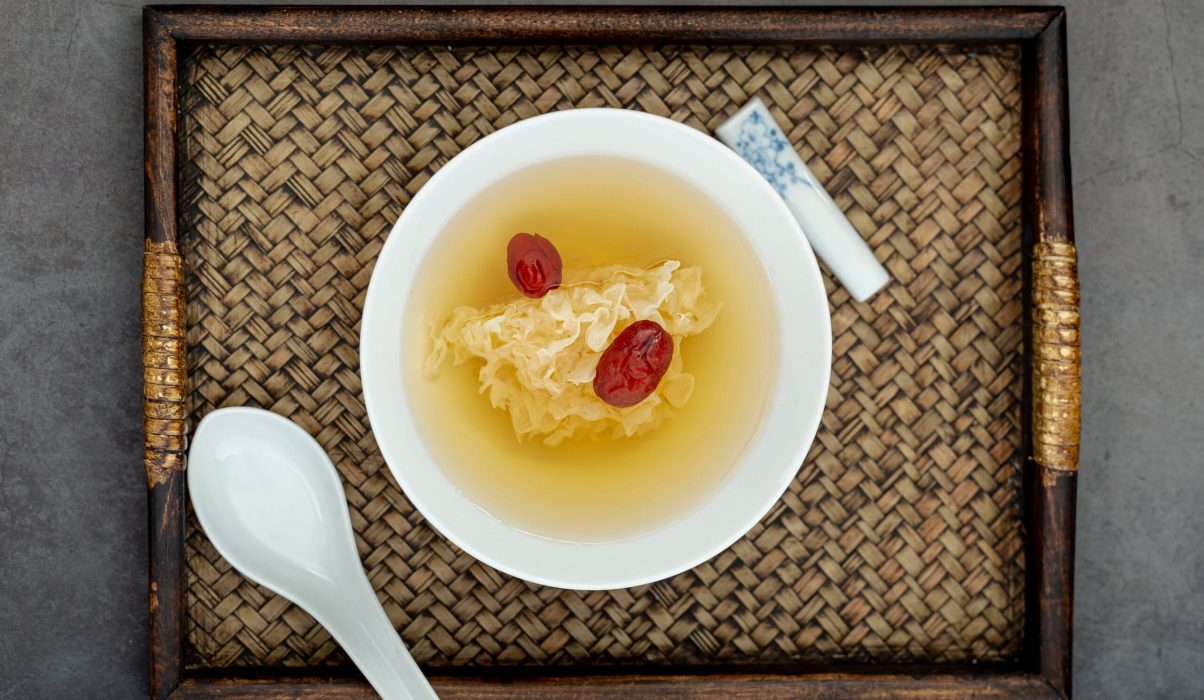
Despite the nickname, a golden nest bird nest drink does not taste strange or salty. It has a very mild, neutral flavor that is virtually tasteless on its own. It typically takes on the sweetness of the rock sugar or the herbal notes of ginseng used in the broth. The texture is the main appeal—it is smooth, gelatinous, and slightly chewy, similar to soft jelly.
3. What is bird spit drink made of?
The controversial term bird spit drink refers to the main ingredient: the solidified saliva of the Swiftlet bird. These birds weave their nests using strands of their own saliva, which hardens into a cement-like bracket when exposed to air. Once cleaned of feathers and impurities, this hardened saliva becomes the translucent, nutrient-rich strands found in the soup.
4. What are the benefits of birds nest?
The primary bird’s nest soup benefits are holistic, targeting both internal health and external beauty. Internally, it is used to strengthen the respiratory system, improve digestion, and boost immunity. Externally, the benefit of bird nest for skin is highly prized, as it contains Epidermal Growth Factor (EGF) which promotes collagen production, hydration, and a youthful complexion.
5. How frequent should I drink bird nest?
To experience the full bird’s nest soup benefits, consistency is more important than volume. It is recommended to consume small amounts (about 3 to 5 grams of dry nest) regularly, roughly 3 to 4 times a week. For the best absorption, drink it on an empty stomach, either first thing in the morning or right before bed.
What Exactly is the "Bird’s Nest"?
Before we dive into the bird’s nest soup benefits, we need to clarify what we are actually eating. This isn’t a nest made of twigs, mud, and feathers found in your backyard oak tree.
The edible bird’s nest is created by the Swiftlet, a small bird found primarily in Southeast Asia (countries like Malaysia, Indonesia, Thailand, and Vietnam). Unlike other birds, the Swiftlet weaves its nest using its own saliva, which hardens into a cement-like, white, or golden bracket when exposed to air.
Historically, these nests were harvested from dangerous limestone caves, making them incredibly rare and dangerous to collect. Today, the industry has shifted largely to “swiftlet hotels”—purpose-built structures that mimic cave conditions—making the process more sustainable and cleaner. This evolution has made it easier for the global market to access the profound bird’s nest soup benefits without disrupting the natural ecosystem.
The Nutritional Profile: More Than Just Protein
Why is this gelatinous strands of soup considered a powerhouse? It comes down to biochemistry. When you analyze the nest, it is rich in glycoproteins, amino acids, and minerals like calcium, potassium, and iron.
However, the star component that drives the conversation around bird’s nest soup benefits is Sialic Acid. Swiftlet nests contain high concentrations of Sialic Acid, a compound essential for brain development and neurological health. This is why it is often marketed as a premium supplement for pregnant women and growing children.
When you sit down to enjoy a warm bowl, or even a chilled golden nest bird nest drink, you are consuming a complex matrix of nutrients designed to repair and rejuvenate the body.
The "Yuck" Factor: Getting Past the "Bird Spit Drink" Label
Let’s address the elephant in the room. For many Westerners in the US or Australia, the colloquial term bird spit drink is a major hurdle. It sounds visceral. However, calling it “spit” does a disservice to the delicate processing the ingredient undergoes.
Once harvested, the nests go through a rigorous cleaning process. Workers painstakingly remove tiny feathers and impurities using tweezers—a process that can take hours for a single nest. By the time it reaches your bowl, it is a pristine, translucent strand that resembles gelatin or glass noodles.
The flavor of a bird spit drink or soup is actually quite mild. It is virtually tasteless on its own, absorbing the flavors of the broth it is cooked in, usually rock sugar, pandan leaves, or ginseng. The texture is the selling point: smooth, slightly chewy, and gelatinous. It is a textural delight that food lovers in Singapore have grown up cherishing, and one that adventurous eaters in the West are beginning to appreciate.
Top Health Benefits for the Body
The primary reason consumers justify the high cost is the range of bird’s nest soup benefits for physical health. In Traditional Chinese Medicine (TCM), the bird’s nest is classified as a tonic that nourishes the “yin” and strengthens the lungs.
1. Boosting the Immune System
One of the most cited bird’s nest soup benefits is its ability to modulate the immune system. Research suggests that the bioactive molecules in the nest can promote the production of antibodies. In a post-pandemic world, the demand for natural immunity boosters has skyrocketed, leading many to overlook the price and focus on the bird nest soup health benefits regarding viral resistance and recovery.
2. Respiratory Health
Traditionally, grandmothers would boil double-stewed soup for family members suffering from a chronic cough or asthma. The moistening quality of the soup is believed to soothe the respiratory tract. While Western medicine demands rigorous clinical trials, generations of anecdotal evidence and observational studies support these bird’s nest soup benefits for lung health.
3. Recovery and Vitality
For patients recovering from surgery or a long illness, the high protein and amino acid content aids in tissue repair. The easily digestible nature of the soup makes it ideal for those with weak appetites. This restorative property is a key aspect of the bird nest soup health benefits profile, making it a popular gift for the elderly.
The Beauty Secret: The Benefit of Bird Nest for Skin
If you walk into a luxury drugstore in Singapore or browse high-end beauty counters in Sydney, you might notice bird’s nest extracts appearing in serums and masks. However, the most potent way to absorb these nutrients is internally.
The benefit of bird nest for skin is linked to a substance called Epidermal Growth Factor (EGF). EGF is a protein that stimulates cell growth and proliferation. As we age, our natural production of EGF slows down, leading to wrinkles and sagging.
Anti-Aging from Within
Consuming bird’s nest is often described as an “edible fountain of youth.” The EGF encourages the skin to produce collagen and elastin. Regular consumers often report a brighter complexion and smoother texture. When discussing bird’s nest soup benefits, the anti-aging capability is usually the number one selling point for the female demographic.
Hydration and Radiance
Another significant benefit of bird nest for skin is hydration. The soup is incredibly hydrating, not just because it is water-based, but because the proteins help the skin barrier retain moisture. For those living in dry climates or enduring harsh winters in the US, this internal hydration can be a game-changer.
Ultimately, the benefit of bird nest for skin transforms skincare from a topical routine into a dietary lifestyle. It turns the act of eating into a beauty ritual.
Modern Convenience: The Rise of Bottled Drinks
Decades ago, enjoying bird’s nest soup benefits meant buying a dry, raw nest, soaking it overnight, and slow-cooking it for hours. In our fast-paced world, few people have the time for this.
Enter the ready-to-drink market. Brands have innovated by creating high-quality, bottled versions that are shelf-stable or require refrigeration. A popular search term and product in this category is the golden nest bird nest drink. These products often combine the nest with other superfoods like goji berries or red dates.
The golden nest bird nest drink caters to the busy professional who wants the health kick without the kitchen labor. You can grab one on your way to work or have it as a post-workout recovery drink. While purists argue that freshly double-boiled soup yields the highest bird’s nest soup benefits, the technology behind products like the golden nest bird nest drink has advanced enough to retain a significant amount of nutrients.
However, consumers must be savvy. Not every bird spit drink on the shelf is equal. Some are laden with sugar and contain very little actual nest. To truly get the bird’s nest soup benefits, you need to check the percentage of dry nest content listed on the label.
Why the $100 Price Tag?
We have established the bird’s nest soup benefits, but does it justify the cost? High-grade nests can cost anywhere from $2,000 to $10,000 per kilogram. A single bowl in a restaurant can easily run between $50 and $100.
The price is driven by three factors:
- Labor Intensity: As mentioned, cleaning the nests is a manual, painstaking process.
- Risk and Rarity: While swiftlet hotels are safer, high-quality “cave nests” (which are richer in minerals) are still harvested at great risk.
- High Demand: With the middle class growing in China and Southeast Asia, and interest rising in the West, demand outstrips supply.
When you pay that premium, you aren’t just paying for the bird’s nest soup benefits; you are paying for the craftsmanship and the scarcity of the product.
Authentic vs. Fake: Avoiding the Trap
Because of the high price, the market is rife with counterfeits. Fake nests made from fungus, agar, or even pork skin are sometimes sold to unsuspecting tourists. To ensure you are receiving the genuine bird’s nest soup benefits, you must buy from reputable sources.
Real bird’s nest should not be perfectly white; it should have an off-white, ivory hue. If it is blindingly white, it may have been bleached, which destroys the bird nest soup health benefits and adds harmful chemicals.
When buying a golden nest bird nest drink or dry cakes, look for certification. In Singapore and Malaysia, strict food safety laws govern these products. In the US and Australia, look for FDA or quarantine-approved imports.
How to Incorporate It into Your Diet
If you are ready to experience the bird’s nest soup benefits for yourself, here is how to start.
The Traditional Preparation
If you buy dry cups, soak them in cool water until they expand and soften. Place the drained nest in a ceramic double boiler with water and rock sugar. Double boiling is crucial—direct boiling heat can destroy the sensitive proteins, nullifying the bird’s nest soup benefits.
The Savory Twist
While usually a dessert, savory versions exist. Cooked with chicken broth or minced meat, the soup takes on a hearty profile. This is often how the elderly prefer to consume their bird nest soup health benefits, treating it more like a meal than a treat.
The Modern Mix
Add a bottle of golden nest bird nest drink to your morning smoothie. The flavor is neutral enough that it won’t clash with fruits, but you still get that boost of Sialic acid and the benefit of bird nest for skin.
Is It Worth the Hype?
Critics often argue that you can get protein from an egg and collagen from bone broth for a fraction of the price. While true, that perspective misses the unique bio-availability of the nutrients in the nest. The specific combination of Sialic acid and EGF is rare in nature.
Furthermore, the bird’s nest soup benefits are holistic. It is viewed not just as a distinct nutrient source, but as a harmonizing food that balances the body’s energy. For many, the ritual of eating it is just as important as the biological effects.
Whether you call it a luxury indulgence or a bird spit drink, the longevity of this food in culinary history speaks volumes. Trends fade, but bird’s nest has been a staple for hundreds of years.
Scientific Skepticism vs. Traditional Wisdom
In the West, we love data. We want peer-reviewed studies for everything. While studies on bird’s nest soup benefits are growing, much of the evidence remains rooted in centuries of observation.
However, modern science is catching up. Studies published in journals like Drug Design, Development and Therapy have highlighted the antioxidative and anti-inflammatory properties of the nest. This bridges the gap between the mystic “Qi” energy concepts of the East and the biochemical requirements of the West. This validation is helping to push the bird nest soup health benefits into the mainstream wellness conversation in countries like the US and Australia.
Conclusion: A Luxury with Purpose
So, why do people pay $100 for swiftlet spit? They do it because, for them, it isn’t spit. It is a vessel for vitality, beauty, and tradition.
The bird’s nest soup benefits offer a compelling argument for the price tag. From boosting the immune system to providing the coveted benefit of bird nest for skin, this delicacy works hard for its reputation. Whether you are sipping a convenient golden nest bird nest drink or slow-cooking a raw nest on a Sunday afternoon, you are participating in a ritual that prioritizes long-term health over quick fixes.
As the world becomes more health-conscious, the “Caviar of the East” is finding a new home in the West. It bridges the gap between food and medicine, offering a unique solution for those seeking to improve their wellness from the inside out.
If you are a food lover seeking the next great nutrient-dense addition to your diet, look past the bird spit drink label. Give it a try. Your skin, your lungs, and your immune system might just thank you for it.
Malaysian Food Guides: Authentic Recipes & Local Favorites
Explore our complete collection of authentic recipes and cultural food guides:
Heritage & Unique Foods:
- Malaysia Food Culture: The 24-Hour Obsession
- Why Is Nasi Kerabu Blue? Malaysia’s Famous Blue Rice
- Eating Sago Worms: The Wriggling Sushi of Borneo
- Bird’s Nest Soup: Why People Pay $100 for Swiftlet Spit
- Ambuyat: The Sticky Staple of Borneo
- Bak Kut Teh: The Herbal Soup That Fueled a Nation
- Unforgettable Ayam Percik: Malaysia’s Smoky, Spicy Delight
Popular Recipes & Dishes
- Recipe Nasi Lemak Step-by-Step
- Mi Goreng Noodles: 10 Creative Ways To Improve Your Dish
- Malaysia Fried Rice: Dish with Unique Local Variations
- Hokkien Mee: Malaysia’s Bold and Flavorful Noodle Dish
- Satay Chicken: Malaysia’s Skewered Delight You Can’t Resist
- Laksa Noodles: Malaysia’s Irresistible Spicy Bowl of Comfort
- How to Make Keropok Lekor: Malaysia’s Coastal Delight
- Explosive Flavor Ikan Bakar: Grilled Seafood Secret
- Authentic Lemang Recipe: A Smoky and Festive Hari Raya Favorite
- The Ultimate Belacan Recipe: Master Malaysia’s Fiery Flavor
- Heavenly Chicken Rendang: A Flavor Journey Through Malaysia’s Culinary Heritage
- The Best Roti Kosong Recipe: Flaky, Buttery, and Truly Malaysian
- Rendang Daging: A Slow-Cooked Malaysian Treasure
- Heavenly Nasi Briyani: Malaysia’s Rich and Aromatic Rice Masterpiece
- Deliciously Iconic Popiah: Malaysia’s Timeless Street Food Treasure
- Irresistible Roti John: Malaysia’s Classic Snack That Never Fails to Impress