Echoes of the Ancients: Unlocking the Mystery of Malaysian Superstitions
Malaysia is a sensory explosion. It is a land where towering glass skyscrapers in Kuala Lumpur coexist with ancient rainforests in Borneo, and where high-speed internet thrives alongside centuries-old traditions. For visitors from the United States, Australia, or neighboring Singapore, the cultural tapestry of this Southeast Asian nation is captivating. But beneath the surface of the delicious food and humid weather lies a complex web of unwritten rules. These are the malaysian superstitions—a collection of taboos, omens, and beliefs that guide daily life for millions.
Table of Contents
ToggleTo the uninitiated, these beliefs might seem whimsical or even bizarre. Why would sitting on a pillow give you boils? Why is the number four conspicuously missing from elevator panels? However, to understand these Malaysian superstitions is to understand the soul of the country. They are not just old wives’ tales; they are a blend of social control, respect for nature, and a deep-seated reverence for the spiritual world.
In this guide, we will peel back the layers of these cultural eccentricities. whether you are an expat settling in Penang, a backpacker trekking through the jungle, or a culture enthusiast, this exploration of malaysian superstitions will save you from social faux pas and offer a glimpse into the local mindset.
Frequently Asked Questions (FAQ)
1. Why is 4 unlucky in Malaysia?
The belief that the number four is unlucky (known as Tetraphobia) is widespread due to Malaysia’s large Chinese population. The fear stems from the fact that in Chinese dialects like Cantonese and Mandarin, the pronunciation of the word for “four” ($sì$) is almost identical to the word for “death” ($sǐ$). This phonetic similarity makes people avoid the number in addresses, car plates, and even floor numbers in buildings.
2. What are some traditions in Malaysia?
One of Malaysia’s most unique and cherished traditions is the Open House Culture. During major festivals (Hari Raya, Chinese New Year, Deepavali), families open their homes to everyone, regardless of race, religion, or social status. This tradition of freely sharing food and hospitality is the cornerstone of Malaysia’s multiracial harmony.
3. Why do people still believe in superstition?
People continue to believe in superstitions because they provide a powerful sense of control in a world full of uncertainty. They act as “rules” for reducing anxiety by giving individuals a specific action (or inaction) to perform to influence an outcome. Superstitions are also deeply rooted in cultural identity and passed down as valuable oral history within families.
4. What is the weirdest superstition?
One of the more unusual and widespread local superstitions is the belief that you should never hang clothes out to dry overnight, especially red or brightly coloured garments. This is because wandering spirits or ghosts (like the Pontianak, a female vampire entity) might be attracted to them, possess the clothing, or leave a spiritual taint on the fabric, potentially causing harm to the person who wears them.
5. Why are you not supposed to whistle in the house?
Whistling indoors is widely considered bad luck across different communities in Malaysia. The common belief is that the sound of a whistle invites bad luck, snakes, or even wandering spirits (Jinn or other entities) into the dwelling. In some beliefs, it is also seen as a way of calling money out of the house, leading to financial hardship.
The Domestic Sphere: Taboos Within the Home
The home is the heart of family life in Malaysia, and naturally, it is the epicenter for many Malaysian superstitions. These beliefs often bridge the gap between spiritual protection and practical hygiene, passed down from grandmothers to grandchildren with stern warnings.
The Perils of Sweeping at Night
If you are staying with a local family and decide to be helpful by sweeping the floor after dinner, you might be met with a horrified look. One of the most pervasive Malaysian superstitions dictates that you must never sweep the floor at night.
The spiritual explanation is that sweeping after dark sweeps away the household’s “ong” (luck) or wealth. It is seen as discarding the good fortune accumulated during the day. Practically speaking, this belief likely originated in the days before electricity. Sweeping in the dark meant you might accidentally sweep away something valuable, like a small piece of jewelry or a coin, which you couldn’t see in the dim candlelight.
Sitting on Pillows
Have you ever used a pillow as a cushion to sit on the floor? In the West, this is standard behavior. In the realm of Malaysian superstitions, this is a recipe for disaster. Elders will warn you that sitting on a pillow intended for your head will cause your backside to be covered in painful boils.
While this sounds medically improbable, the underlying lesson is about respect. The head is considered the most sacred part of the body in Malay and many Asian cultures, while the feet and bottom are the lowliest. Placing an object meant for the head under your bottom is seen as disrespectful. The threat of boils is simply a scary deterrent to ensure children treat their bedding with hygiene and respect.
Opening Umbrellas Indoors
While this is found in many cultures, it is taken quite seriously within the catalog of Malaysian superstitions. Opening an umbrella inside the house is said to invite snakes into the home. In more supernatural interpretations, it is believed to trap evil spirits under the canopy of the umbrella, which are then released into your living room.
From a logical standpoint, opening a large, spiky object in a confined space is a safety hazard. However, the fear of slithering reptiles is a much more effective way to tell children to stop playing with rain gear indoors.
Dining Etiquette: More Than Just Good Manners
Food is the national obsession of Malaysia. However, the dining table is a minefield of potential bad luck. Many Malaysian superstitions revolve around how you eat, serving as a way to enforce table manners under the guise of fear.
Singing While Cooking
For the romantic souls who love to hum a tune while stirring a pot of curry, beware. According to traditional malaysian superstitions, singing while cooking or eating will result in you marrying an old spouse.
This belief was likely crafted by mothers who wanted their children to focus on the task at hand. Cooking over open fires or chopping vegetables requires concentration; singing is a distraction that could lead to burnt food or cut fingers. The threat of an “undesirable” marriage was a potent motivator for young people in simpler times.
The Chopstick Taboo
Given the significant Chinese population in the country, many Malaysian superstitions are heavily influenced by broader Asian superstitions. A major rule concerns chopsticks. You must never stick your chopsticks vertically into a bowl of rice.
Visually, this resembles joss sticks (incense) burning in a bowl of ashes, which is a ritual performed at funerals to honor the dead. Doing this at the dinner table is seen as a harbinger of death or bad luck. It is a grave insult to the host and is considered one of the most offensive mistakes a visitor can make.
Changing Places Mid-Meal
If you are eating dinner, pick a seat and stay there. Malaysian superstitions suggest that changing your seat during a meal implies you will have multiple marriages. While some might not view this as a negative, in a traditional conservative society, it was a warning against instability. Practically, it simply stops children from running around the dinner table.
The Jungle and Nature: Respecting the Unseen
Malaysia is home to some of the oldest rainforests in the world. When you step into nature, you are entering the domain of spirits, and the rules change. The Malaysian superstitions surrounding nature are strictly adhered to, even by modern urbanites who enjoy weekend hiking.
Asking Permission (“Datuk”)
When entering the jungle to relieve oneself or simply to pass through, it is customary to say, “Excuse me, Datuk, passing through.” “Datuk” translates to grandfather, but in this context, it refers to the guardian spirits of the land.
This is one of the malaysian superstitions rooted in deep animist beliefs. It acknowledges that humans are guests in the wild. Failing to ask permission is said to result in the offender being followed home by a spirit or falling ill. It encourages a mindset of mindfulness and respect for the environment.
Calling Names in the Wild
Never shout a friend’s real name while in the deep jungle. If you must call out, use a nickname or a generic sound. The belief holds that spirits can learn your identity if they hear your name and may try to lure you away or possess you.
This aligns with many Asian superstitions regarding the power of names. On a survival level, keeping noise down prevents you from attracting dangerous wildlife, but the spooky element keeps hikers vigilant and close to their groups.
Pointing at the Moon or Rainbow
Pointing your index finger directly at the moon is a big no-no among Malaysian superstitions. It is said that if you do, the moon will slice your ear off (or give you a cut behind the ear). Similarly, pointing at a rainbow might cause your finger to rot or become crooked.
To this day, you will see Malaysian children pointing at the moon with their thumb tucked between their fingers (a “fist” point) or using their chin to avoid the curse.
Numbers and Feng Shui: The Chinese Influence
You cannot discuss malaysian superstitions without acknowledging the profound impact of Chinese culture. Numerology plays a massive role in real estate, license plates, and business.
The Fear of Four (Tetraphobia)
If you enter an elevator in a Malaysian high-rise, you might notice the buttons read 1, 2, 3, 3A, 5. The number four is missing. In Cantonese, the pronunciation of the number four sounds distinctively like the word for “death.”
This is one of the most economically impactful malaysian superstitions. Property developers know that houses with the number 4 in the address are harder to sell to Chinese buyers. Therefore, “4” becomes “3A,” “14” becomes “13A,” and so on. Conversely, the number 8 is highly prized because it sounds like “prosper” or “wealth.”
Gift-Giving Taboos
When buying gifts for Malaysian friends, be wary. Do not give a clock. The phrase “giving a clock” in Chinese sounds exactly like “attending a funeral.” It implies you are counting down the seconds to their death.
Similarly, giving shoes is avoided in some circles within the sphere of Malaysian superstitions because it suggests the receiver will “walk away” from the relationship or friendship. If you really want to buy someone shoes, the receiver must give you a coin (a token payment) so it becomes a “transaction” rather than a “gift,” effectively negating the bad luck.
Wedding and Relationship Beliefs
Weddings are joyous occasions, but they are also heavily guarded by Malaysian superstitions to ensure the future happiness of the couple.
Rain on Your Wedding Day
Alanis Morissette might think it’s ironic, but in Malaysia, preventing rain on a wedding day requires supernatural intervention. Some families will hire a “Bomoh” (shaman) to hold back the rain clouds.
Alternatively, there is a belief that if the bride or groom eats straight from the pot (similar to the singing taboo), it will rain on their wedding day. This is yet another entry in the list of malaysian superstitions designed to teach proper kitchen etiquette.
Mirrors and Breaking Up
Mirrors are powerful objects in Asian superstitions. In Malaysia, looking into a broken mirror is said to bring seven years of bad luck. furthermore, giving a mirror as a gift to your partner is discouraged. It is believed that the relationship will become fragile and eventually shatter, much like glass.
Pregnancy and Children: Guarding the Vulnerable
The period of pregnancy and early childhood is considered a spiritually vulnerable time. Malaysian superstitions surrounding this phase are intense and strictly policed by older female relatives.
The Evil Eye and Praising Babies
In Western cultures, we fawn over babies, saying, “Oh, he is so chubby and cute!” In Malaysia, you must be careful. Excessive praise is believed to attract the attention of evil spirits who might become jealous and harm the child.
Instead of saying a baby is “beautiful” or “fat,” locals might use words that ironically mean the opposite or just say the baby is “good.” This is a protective mechanism deeply embedded in Malaysian superstitions.
Renovation Bans
Pregnant women (and their husbands) are often forbidden from hammering nails or doing renovations. One of the specific Malaysian superstitions is that hammering represents “marring” or damaging the baby, potentially leading to birthmarks or deformities.
While this restricts home improvement, it effectively ensures that the pregnant mother rests and stays away from dangerous construction zones and chemical fumes.
The Supernatural Nightlife: Ghosts and Spirits
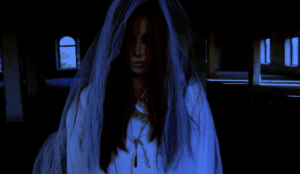
Malaysia has a rich bestiary of ghosts, from the vampiric Pontianak to the hopping Jiangshi. These fears shape many Malaysian superstitions regarding the night.
Clipping Nails at Night
This is a classic. You should never clip your fingernails or toenails after dark. The superstition states that if you do, you will not be with your parents when they pass away, or you are inviting spirits to clip your life short.
In the context of malaysian superstitions, this likely stems from the pre-electricity era. Clipping nails in the dark with sharp tools was dangerous. Additionally, nail clippings were believed to be used in black magic, so disposing of them safely in the daylight was crucial.
Drying Clothes at Night
Leaving clothes out on the line overnight is discouraged. It is believed that wandering spirits, specifically the Pontianak (the ghost of a woman who died during childbirth), will sniff the clothes or attach themselves to the fabric. When you wear the clothes the next day, you invite the bad energy or sickness onto yourself.
This is one of those malaysian superstitions that actually helps prevent damp, moldy clothes in the humid tropical night air, which attracts insects and bacteria.
Why Do These Beliefs Persist?
For a modern visitor, it is easy to dismiss Malaysian superstitions as nonsense. Yet, they persist in a society that manufactures microchips and performs robotic surgery. Why?
Cultural Identity and Bonding
These beliefs act as a cultural glue. When a Malaysian warns you not to sit on a book, they are not just being superstitious; they are sharing a piece of their heritage. Discussing Malaysian superstitions is a bonding activity. It separates “us” from “them” and creates a shared reality.
Social Control and Manners
As we have seen, the vast majority of malaysian superstitions have a practical root. They are tools for parenting. Telling a child “don’t run with chopsticks because you’ll die” is far more effective than “don’t run with chopsticks because you might hurt yourself.” Fear is a quick teacher.
Respect for the Unknown
Malaysia is a country where faith is strong. Whether Muslim, Buddhist, Hindu, or Christian, the population generally accepts the existence of a spiritual realm. Malaysian superstitions are a way of navigating the gray areas of faith—the folk religion that fills the gaps between formal religious doctrines.
Conclusion: Embracing the Magic
Traveling to Malaysia is an adventure for the senses, but understanding malaysian superstitions provides an adventure for the mind. It allows you to see the world through a different lens—one where the mundane is magical, and where respect for nature and elders is paramount.
You don’t have to believe that the number four will kill you or that sitting on a pillow will ruin your skin. However, knowing these beliefs shows respect for the local culture. It makes you a better traveler. It transforms you from a tourist just looking at the scenery to a guest participating in the culture.
So, the next time you find yourself in Kuala Lumpur or the jungles of Borneo, remember: don’t point at the moon, leave your umbrella closed indoors, and if you hear someone calling your name in the dark forest… maybe just keep walking.
Are you ready to experience the mystery and beauty of Malaysia for yourself?
Whether you are looking for the modern buzz of the city or the whispers of the ancient rainforests, Malaysia awaits. Just remember to pack your sense of adventure—and leave the red ink pen at home (writing names in red is another bad omen!).
The Ghost Series: Malaysian Superstitions & Legends Superstitions
For more information, this page connects to detailed guides, origins, and facts about Malaysian ghosts and local hauntings:
- Malaysian Superstitions Explained
- Top Haunted Ghost Tours in Malaysia
- Kellie’s Castle: Truth or Legend?
- Karak Highway: Malaysia’s Most Haunted
- Hantu Raya: The Master’s Spirit
- Hantu Tetek: The Bizarre Legend
- Jinn: The Mysterious Spirits
- Toyol: The Money-Stealing Ghost