Ambuyat: The Sticky Staple of Borneo and the Culture of Sago
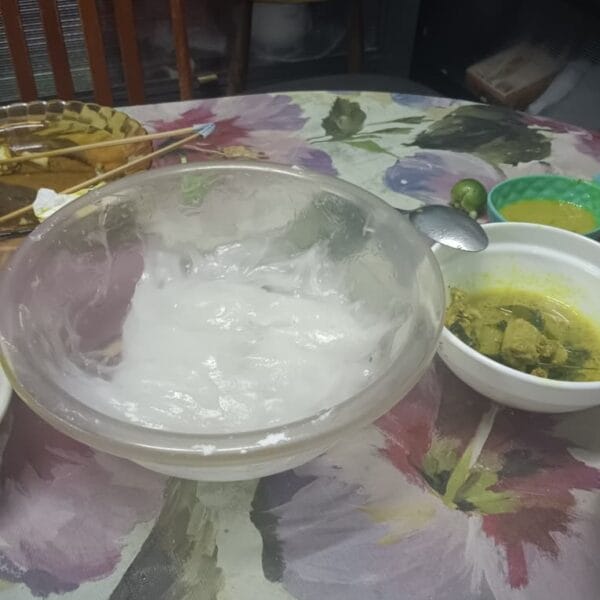
Imagine sitting down to a meal where the main carbohydrate isn’t rice, bread, or noodles, but a giant, quivering bowl of translucent, tasteless, and incredibly sticky goo. For many living in Borneo—specifically in the Malaysian states of Sabah and Sarawak, and Brunei Darussalam—this description brings to mind the ultimate comfort food: ambuyat. Far from being an oddity, ambuyat is a culinary cornerstone, a historical staple, and an edible embodiment of local heritage, particularly for the indigenous communities.
Table of Contents
ToggleFor the adventurous food lover from the United States, Singapore, or Australia, encountering ambuyat for the first time is a revelation that challenges every preconception about texture and taste. It’s a dish that demands a specific technique to eat and an open mind to appreciate. But to truly understand this sticky staple, we must trace its origins to the majestic rumbia (sago palm) and the ingenious traditions of resourcefulness that define this biodiverse island. This long-form article is your comprehensive guide to the culture, preparation, and unique, communal ritual surrounding ambuyat.
Frequently Asked Questions (FAQ)
1. What is the meaning of Ambuyat?
Ambuyat or Sagu is a starchy, gel-like staple food derived from the interior trunk of the sago palm tree. It is the national dish of Brunei and is also a traditional delicacy in the Malaysian states of Sabah and Sarawak (where it is sometimes called linut). Essentially, it’s the main source of carbohydrate, like rice, for certain indigenous communities in Borneo.
2. How is Ambuyat traditionally eaten?
It is eaten using a unique pair of two-pronged bamboo chopsticks called chandas (or cacah). The technique is:
- Twirl a portion of the sticky Ambuyat around the prongs to form a small ball.
- Dip it into a flavorful, sour sauce.
- Swallow it whole without chewing, as the texture is very sticky and the flavor comes entirely from the accompanying sauces and side dishes. It is often eaten communally from one shared bowl.
3. How do you make ambuyat?
It is surprisingly simple! Ambuyat is made by mixing sago starch powder (or ambulung) with a small amount of cool water first, and then rapidly pouring a large amount of boiling hot water over the mixture. The hot water causes the starch to instantly thicken and gelatinize, turning it into the characteristic translucent, glue-like goo. Continuous, fast stirring is key to prevent lumps.
4. What dishes are often served with ambuyat?
Since Ambuyat itself is bland, it requires strong, flavorful accompaniments. These usually include:
- Sour Dipping Sauce (Cacah): The most important element, often made from local sour fruits like binjai or a mixture of lime, chili, and tempoyak (fermented durian) or sambal belacan (shrimp paste).
- Fish/Meat Dishes: Usually grilled or curried, such as sour fish broth (ikan masak assam or ikan kuah kuning).
- Vegetables: Lightly cooked vegetables like stir-fried water spinach (kangkung) or local ferns.
5. What does Ambuyat taste like?
By itself, Ambuyat has an almost neutral or bland taste, like a subtle, starchy flavor. Its fame is entirely down to its texture, which is extremely sticky, gooey, and elastic—similar to a thick, warm tapioca pudding or a very soft mochi. The entire dining experience is about the contrast between its warm, neutral stickiness and the bold, sour, and spicy flavor of the dipping sauces.
The Heart of the Dish: The Humble Sago Palm
To appreciate the dish, you must first understand the sago palm (Metroxylon sagu). In Borneo’s dense, verdant rainforests and coastal swamps, the sago palm has historically been a vital source of livelihood. For communities like the Bisaya, Melanau, Kedayan, and others, the sago palm was—and remains—a critical component of their food security and culture.
From Forest to Food: Sago Starch Extraction
The process of creating it is a labour of love and expertise, traditionally performed by tapping into the thick trunk of the sago palm. The palm is ready for harvesting just before it flowers, when the starchy pith inside the trunk is at its maximum concentration.
The extraction is a multi-step process that highlights the sustainable ingenuity of Bornean agriculture:
- Felling the Palm: The mature sago palm is cut down.
- Pith Removal: The bark is stripped, and the inner pith—a soft, fibrous material—is painstakingly scraped or mashed out.
- Washing and Filtration: The extracted pith is mixed with water. This slurry is then filtered repeatedly through a fine mesh or cloth, separating the heavy starch granules from the light, unwanted fibrous material.
- Drying and Sedimentation: The milky starch liquid is allowed to settle. The starch quickly sinks to the bottom, where it is dried into a fine, bright white, powder called sagu (sago starch).
This sago starch is the fundamental raw material for the dish, and it is naturally gluten-free and possesses a remarkably high concentration of carbohydrates, making it an excellent source of energy. Historically, when rice harvests were poor or coastal communities needed a reliable, high-yield food source, sago provided the necessary calories.
Linut: The Kinship of Texture
While ambuyat is the primary name used in Sabah and Brunei, in Sarawak, and sometimes interchangeably across Borneo, the dish is known as linut. The name linut often carries the same meaning: the process of kneading or mixing the starch into the signature sticky consistency. Both sago and linut refer to the exact same dish and preparation method, differing slightly in pronunciation across Borneo’s various dialects. Understanding this terminology is key for any serious food explorer—if someone offers you linut, you are about to experience the same great dish as ambuyat.
The preparation of linut or sago is deceptively simple: hot, near-boiling water is poured directly over the sago starch powder. The mixture is then rapidly stirred and beaten with a stick until the clear powder absorbs the liquid and transforms into the hallmark gluey, sticky, and gelatinous mass. The resulting sago is ready to be eaten immediately. The consistency must be correct: too much water results in a watery soup; too little results in a powdery, unmixed paste. Achieving the perfect texture is a point of culinary pride.
The Art of Eating: The Candas and Communal Ritual
The consumption of ambuyat is where the cultural experience truly shines. Unlike a standard meal where food is picked up with a fork or chopsticks, sago requires a unique tool called the candas or cenceng—a specialized pair of bamboo prongs or chopsticks fused at one end.
The Swirling Technique
Eating sago is an acquired skill, a technique that must be learned to fully enjoy the dish:
- Dip: The diner takes the candas and dips the closed ends into the sticky sago mass.
- Swirl: The candas is rotated quickly, collecting a large, manageable, sticky wad of ambuyat—it will look like a translucent, rotating lollipop.
- Dip (Sauce): The rotating wad of sago is then immediately dipped into the accompanying sour and spicy dipping sauce, called the cacah (or sometimes cencalu in Brunei).
- Swallow: The entire, coated mass is then swallowed without chewing.
The rule of sago is no chewing. Because sago starch is largely tasteless and has an overwhelmingly sticky texture, the entire point of the meal is to enjoy the complementary flavours of the side dishes and sauces, allowing the starchy mass to slide down the throat. This is where the rich, complex, and complementary flavours of the Bornean jungle truly come into play.
The Communal Experience
Crucially, sago is always a communal meal. The bowl of sticky sago is placed in the centre of the table, and everyone dips into it simultaneously, sharing the main starch and the various side dishes (lauk) provided. This shared dipping bowl reinforces the strong community ties inherent in the food culture. It is not just a meal; it’s an event. The ritual of eating linut together creates a shared culinary space that is deeply intimate and traditional.
For an outsider, the communal nature of dipping into the same central bowl, combined with the no-chew rule, makes the sago experience unforgettable. This sticky staple forces interaction, laughter, and a shared appreciation for the local palate. The consumption of sago is inherently tied to the local concept of gotong-royong (communal cooperation) and hospitality.
The Flavour Engine: Cacah and the Side Dishes
Since sago itself is bland and sticky, the entire flavour profile relies entirely on the quality and variety of the accompanying dishes. These complementary elements are the true culinary soul of the ambuyat meal.
The Essential Cacah (Dipping Sauce)
The dipping sauce, the cacah, is the most critical element. It provides the acidity and spiciness needed to cut through the starchiness of the sago and stimulate the taste buds. The cacah is typically a bold and fiery concoction, usually featuring a dominant citrus element:
- Bambangan or Lime: Wild mango (bambangan) or local lime provides the necessary sourness.
- Chilli Padi: The small, extremely hot local chillies (cili padi) deliver the heat.
- Belacan (Shrimp Paste): Often a powerful, fermented shrimp paste adds a salty, savoury umami depth.
The heat and sourness of the cacah are what makes the experience enjoyable. Every swirl of ambuyat carries a generous coating of this intense flavour, balancing the neutral sago.
The Lauk: Traditional Side Dishes
The sides, or lauk, are what transform the ambuyat experience into a feast. These dishes are often strongly flavoured and feature ingredients sourced from the rivers, seas, and jungles of Borneo, which is precisely why ambuyat is so widely loved. The sticky texture of the sago is perfectly paired with these rich, savoury items.
Common side dishes include:
- Pusu Tumbuk: A traditional relish or sambal made from pounded anchovies (ikan bilis), chillies, and local herbs.
- Sayur-sayuran (Jungle Vegetables): Locally-sourced, stir-fried vegetables, often with a subtle bitterness to contrast the starch.
- Ikan Panggang: Grilled or barbecued fish, marinated in spices and often wrapped in banana leaves before being cooked over charcoal.
- Lokan or Kerang (Shellfish): Clams or cockles cooked in a rich, spicy gravy, reflecting the coastal heritage of many communities.
This rich array of accompanying dishes ensures that while the sago is always the centrepiece, the true complexity of the Bornean palate is showcased in the cacah and the lauk. The ability to customize the flavour profile with each dip makes ambuyat a dynamic and engaging meal. Whether you call it sago or linut, the core experience remains the same: a powerful, flavour-filled complement to the neutral sago.
📜 The Cultural Significance and Heritage
The historical role of sago cannot be overstated. It is a symbol of resilience, a product of the deep connection between the indigenous peoples and the land. For many generations, the sago palm provided a reliable, sustainable food source that was less susceptible to weather extremes than rice.
A Legacy of Resourcefulness
The sago palm yields a massive amount of starch, and its cultivation requires less intensive labour than growing rice. This made sago a highly efficient and economically crucial crop. The traditional methods of preparing and sharing ambuyat reflect a society that values resourcefulness, community sharing, and a zero-waste approach to nature. The palm leaves are used for roofing, the fibres for weaving, and the starch for food. This holistic approach to the environment is deeply woven into the preparation and consumption of ambuyat.
Today, while rice has become the primary daily staple due to modernization and shifting agricultural practices, sago maintains its status as a celebratory dish, often served at festivals, weddings, and important family gatherings. It is a way of paying homage to the ancestors and preserving culinary identity. Visitors to Brunei or East Malaysia will often find ambuyat on restaurant menus specifically catering to those who wish to taste the region’s heritage cuisine.
The Modern Life of Ambuyat
The sticky staple has successfully navigated the complexities of the modern world. While the method of preparation remains traditional, its accessibility has improved significantly. You no longer need to fell a sago palm to enjoy the dish; pre-packaged, high-quality sago starch is readily available in markets across Borneo and beyond. This modernization ensures the longevity of ambuyat.
A Restaurant Favourite
While historically enjoyed in village settings, sago is now a celebrated feature in urban restaurants in Kota Kinabalu, Kuching, and Bandar Seri Begawan. These establishments cater to tourists and younger generations who appreciate the dish’s cultural significance but prefer the convenience of a restaurant setting. Many restaurants now offer an ‘Ambuyat Set’ which includes the bowl of sago, the candas, the essential cacah, and a curated selection of lauk—making the entire experience turnkey for the curious traveller.
The presentation of linut or sago in modern settings is always impressive. The bowl of clear, trembling starch acts as a dramatic, unifying centrepiece for the vibrant plates of side dishes surrounding it. This visual contrast perfectly captures the essence of the meal: a bland canvas brought to life by the intense colours and flavours of Borneo’s abundant resources. The ability of the local cuisine to adapt while preserving the core ritual is why sago remains so resilient.
Promoting Bornean Identity
For many indigenous communities, ambuyat is more than food—it is a marker of identity. It is a dish that non-locals often struggle with, and in this struggle, there is shared laughter and a teaching moment. Serving sago or linut to a guest is a high honour, an invitation to fully participate in the local culture. It is an act of hospitality that bridges the gap between outsider and local, one sticky, swallowed wad at a time. The continued promotion and enjoyment of sago ensures that the traditions and knowledge associated with the sago palm are passed down, maintaining a crucial link to the natural heritage of the island.
The consumption of ambuyat is a celebration of the sago palm and its enduring legacy as the ultimate Bornean super-food.
Conclusion: Embrace the Stickiness
Sago—or linut—is more than just a sticky, gelatinous starch; it is a profound cultural statement. It represents the resourcefulness of Borneo’s indigenous people, the richness of the island’s jungle and sea bounty, and the deeply communal nature of Bornean hospitality.
For our readers in the United States, Singapore, and Australia who crave authentic, unforgettable food experiences, venturing into the world of sago is a mandatory step. Find a local restaurant in Kota Kinabalu or Bandar Seri Begawan, order the full set, learn the proper candas technique, and embrace the ‘no chew’ rule. Allow the tangy, spicy cacah and the savoury lauk to do the work, turning a simple bowl of starch into a culinary symphony. By taking that first brave, sticky dip, you are not just tasting a dish; you are participating in a timeless Bornean tradition. Experience sago—it’s the sticky staple that defines a region.
Malaysian Food Guides: Authentic Recipes & Local Favorites
Explore our complete collection of authentic recipes and cultural food guides:
Heritage & Unique Foods:
- Malaysia Food Culture: The 24-Hour Obsession
- Why Is Nasi Kerabu Blue? Malaysia’s Famous Blue Rice
- Eating Sago Worms: The Wriggling Sushi of Borneo
- Bird’s Nest Soup: Why People Pay $100 for Swiftlet Spit
- Ambuyat: The Sticky Staple of Borneo
- Bak Kut Teh: The Herbal Soup That Fueled a Nation
- Unforgettable Ayam Percik: Malaysia’s Smoky, Spicy Delight
Popular Recipes & Dishes
- Recipe Nasi Lemak Step-by-Step
- Mi Goreng Noodles: 10 Creative Ways To Improve Your Dish
- Malaysia Fried Rice: Dish with Unique Local Variations
- Hokkien Mee: Malaysia’s Bold and Flavorful Noodle Dish
- Satay Chicken: Malaysia’s Skewered Delight You Can’t Resist
- Laksa Noodles: Malaysia’s Irresistible Spicy Bowl of Comfort
- How to Make Keropok Lekor: Malaysia’s Coastal Delight
- Explosive Flavor Ikan Bakar: Grilled Seafood Secret
- Authentic Lemang Recipe: A Smoky and Festive Hari Raya Favorite
- The Ultimate Belacan Recipe: Master Malaysia’s Fiery Flavor
- Heavenly Chicken Rendang: A Flavor Journey Through Malaysia’s Culinary Heritage
- The Best Roti Kosong Recipe: Flaky, Buttery, and Truly Malaysian
- Rendang Daging: A Slow-Cooked Malaysian Treasure
- Heavenly Nasi Briyani: Malaysia’s Rich and Aromatic Rice Masterpiece
- Deliciously Iconic Popiah: Malaysia’s Timeless Street Food Treasure
- Irresistible Roti John: Malaysia’s Classic Snack That Never Fails to Impress