Malaysia Food Culture: The 24-Hour Obsession
The time is 3:00 AM. In most of the world, urban centres are hushed, lights are dimmed, and the rhythm of life has slowed to a sleepy crawl. But this is not most of the world. This is Malaysia, and here, the heartbeat of the nation doesn’t stop beating; it merely shifts its culinary rhythm. Walk down any busy street in a Malaysian city or town, and you’ll find a beacon of light, the unmistakable, comforting buzz of activity emanating from a roadside stall or a brightly lit Mamak stall. The air is thick with the scent of spices, the sizzle of oil, and the sweet, comforting aroma of pulled tea. This scene isn’t an exception; it is the essence of Malaysia food culture.
Table of Contents
ToggleFor travellers from the United States, Singapore, or Australia, who may be accustomed to strict last-call kitchens or pre-packaged convenience after midnight, the sheer 24-hour obsession that defines the Malaysian culinary landscape is nothing short of revolutionary. Food here is not just sustenance; it is a language, a form of communal connection, an all-day, all-night affair that beautifully encapsulates the country’s multi-ethnic tapestry. Understanding Malaysia food culture means understanding that a full day’s menu begins long before sunrise and doesn’t conclude until the next one dawns.
Frequently Asked Questions (FAQ)
1. What is the most popular breakfast in Malaysia?
The undisputed king of Malaysian breakfast is Nasi Lemak.
It’s a fragrant and satisfying dish of rice cooked in coconut milk and pandan leaves, served with a spicy-sweet chili paste called sambal, crispy fried anchovies (ikan bilis), roasted peanuts, and usually a hard-boiled or fried egg. You can find it everywhere, from roadside stalls to five-star hotels.
2. What is famous in Malaysia to eat?
Malaysia is a melting pot, but the most famous dishes fall into three main categories:
- Nasi Lemak: (The national dish, see above.)
- Satay: Skewered and grilled meat (chicken, beef, or lamb) served with a rich, chunky peanut dipping sauce.
- Laksa: A popular term for a variety of spicy, flavourful noodle soups. The most famous versions are Assam Laksa (sour, fish-based broth from Penang) and Curry Laksa (rich, coconut milk-based curry broth).
3. Why is Nasi Kandar famous in Penang?
Nasi Kandar is famous in Penang because it represents the island’s unique Indian-Muslim culinary heritage.
It’s essentially a heap of steamed rice served with a variety of rich, slow-cooked curries. The fame comes from the way the servers “flood” the rice with a mix of different gravy types (kuah campur) from various curries (like chicken, squid, and beef) creating a deeply complex and addictive flavor profile that is distinct to Penang.
4. Is it easy to find halal food in Malaysia?
Yes, it is extremely easy to find halal food in Malaysia.
As a Muslim-majority country, the vast majority of food establishments, especially Malay and Indian restaurants, are inherently halal. Even many Chinese restaurants, particularly those serving seafood or chicken, often use halal-certified meat. Look for the official JAKIM Halal certification logo on premises, but generally, you can eat with confidence at most local eateries.
5. Why is Roti Canai famous in Malaysia?
Roti Canai is famous because of its versatility, affordability, and unique texture.
This flaky, thin flatbread is stretched, folded, and pan-fried until it’s crispy on the outside and soft/chewy on the inside. It’s often served plain with various curries (dhal, fish, or chicken), but it can also be transformed into sweet dishes (like Roti Pisang with banana) or savory ones (like Roti Telur with egg). It’s a staple snack or meal eaten any time of the day.
The Sunrise Ritual: Breaking Fast with an Icon
The day begins with a breakfast ritual that sets the tone for the non-stop culinary journey. Forget a quick bowl of cereal or a simple piece of toast. The typical Malaysian breakfast is a declaration of flavour and heritage, and no dish embodies this more than the nation’s unofficial national dish.
The Reign of Nasi Lemak: A Fragrant Awakening
The undisputed king of the Malaysian breakfast table is Nasi Lemak. This fragrant rice dish is an institution, celebrated from the simplest street vendor to the most elegant hotel buffet. The core of the dish is the rice itself (nasi), which is meticulously cooked in coconut milk and pandan leaves until it is impossibly rich, fragrant, and fluffy (lemak meaning ‘rich’ or ‘fatty’).
While simple in concept, the magic of Nasi Lemak lies in its contrasting accompaniments, which deliver a symphony of textures and tastes. A perfect serving includes:
- A dollop of sambal, the iconic spicy chilli paste that is the dish’s fiery soul.
- Crispy, tiny ikan bilis (fried anchovies).
- Roasted peanuts for a satisfying crunch.
- Slices of fresh cucumber to cut through the richness.
- A perfectly cooked hard-boiled or fried egg.
This balanced combination of spicy, sweet, salty, and savoury is what makes Nasi Lemak universally adored and an essential pillar of malaysia food culture. This specific blend of elements is so beloved that variations are not uncommon, ranging from being served with fried chicken (ayam goreng) to beef rendang. The ubiquity of this dish means you can grab a small, perfectly wrapped packet (bungkus) of malaysia food nasi lemak from a roadside stall for mere ringgit, or sit down for a gourmet version in a modern cafe. The accessibility and affordability of a fantastic plate of Malaysia food nasi lemak underscores the deeply democratic nature of the country’s gastronomy.
The Flaky Contender: Roti Canai and Teh Tarik
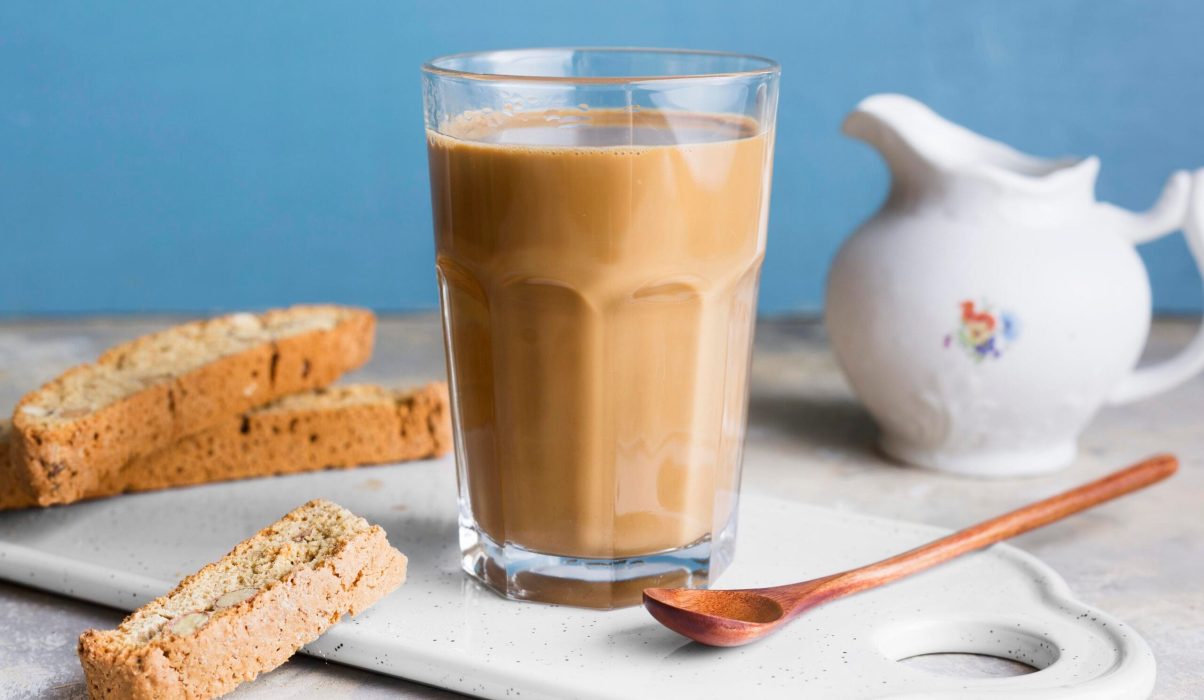
A close second in the morning hierarchy is Roti Canai, a flaky, pan-fried flatbread with Indian origins, often served alongside a tall, frothy glass of Teh Tarik (pulled tea). The preparation of Roti Canai is a spectacle in itself—the dough is stretched, tossed, and spun with dizzying speed until it becomes tissue-paper thin, then folded into a multilayered square and cooked on a sizzling griddle. The result is a crisp exterior and a soft, chewy interior, perfect for soaking up rich, fragrant curries, such as dhal, fish curry, or chicken curry.
The Mamak stalls, introduced earlier, are the prime purveyors of this delight. These Indian Muslim eateries are arguably the most important physical spaces in modern Malaysia food culture. They are open-air, come-as-you-are venues that cater to all races and income levels, serving as democratic meeting spots.
The accompanying Teh Tarik is equally important. The name literally means ‘pulled tea’, referring to the theatrical pouring technique where the hot, milky tea is repeatedly poured between two vessels held high above the head. This process cools the drink, creates a satisfying layer of foam, and, most importantly, mixes the condensed milk perfectly. For anyone looking to immerse themselves in local customs, ordering a piece of Roti Canai and a steaming cup of Teh Tarik is the definitive start to any day that revolves around Malaysia food culture.
The Midday Fusion: A Cultural Crossroads
As the clock ticks past noon, the sheer variety of ethnic influences that comprise the unique Malaysia food culture comes into sharp focus. The midday rush is characterized by the need for quick, flavourful, and fulfilling meals, leading diners to bustling hawker centres and kopitiams (traditional coffee shops).
Chinese-Malaysian Wok Hei Wonders
The Chinese influence, mainly from the Hokkien, Cantonese, Hakka, and Teochew communities, contributes some of the most complex and deeply satisfying dishes to Malaysia food culture. The Cantonese-style Char Siew (barbecued pork) and Siew Yuk (roast pork belly) are popular lunchtime meats, often served over plain white rice with a generous pour of dark, sweet gravy.
However, the real star of the midday hawker scene is the stir-fried noodle, celebrated for the coveted flavour known as ‘wok hei‘—the breath of the wok. This smoky char is achieved only by cooking ingredients quickly over an intensely hot flame in a well-seasoned wok. Dishes that showcase this include:
- Char Kuey Teow: Flat rice noodles stir-fried with prawns, cockles, egg, bean sprouts, and chives in a dark soy sauce.
- Hokkien Mee (KL Style): Thick yellow noodles braised in a sticky, black soy sauce with pork, prawns, and crispy pork lard.
These noodle dishes, while rooted in Chinese culinary traditions, have been uniquely adapted and perfected in the local context, giving them a distinct Malaysian identity. This constant process of culinary evolution and fusion is a hallmark of the dynamic Malaysia food culture.
The Nasi Kandar Phenomenon: An Indian Muslim Legacy
For a hearty, flavour-packed lunch, many turn to Nasi Kandar. Originating in Penang, this Indian Muslim dish represents the pinnacle of ‘mixed rice’ meals. The process is simple yet deeply satisfying: you select plain steamed rice (nasi) and then cover it with a variety of rich, spiced gravies and curries (kandar refers to the pole carried on the shoulders by early vendors).
The selection of side dishes is astounding, from fried chicken (ayam goreng) and spiced prawns to bitter gourd and hard-boiled eggs. The true joy of the dish is in the curry mixing titik, where the vendor expertly ladles a combination of different gravies—the spicier dark gravies, the lighter coconut-based ones, and the tangy sour ones—over the rice, creating a uniquely complex and messy flavour profile. This is comfort food at its most potent and is a powerful expression of the multicultural heart of Malaysia food culture.
The Afternoon Pause: Snacks and Socializing
In Malaysia, the traditional concept of an afternoon ‘tea break’ is often replaced by a more substantial, savoury snack time, designed to bridge the gap between a heavy lunch and a social dinner. This is the time to enjoy some of the sweeter and more accessible treats that are available in markets, street carts, and dedicated kuih stalls.
The Sweet and Savoury Kuih
Kuih (pronounced ‘koo-ay’) are bite-sized desserts or savoury snacks, often made from rice, glutinous rice, coconut, and palm sugar. They represent the diverse confectionery skills of the Malay and Peranakan communities. Their vibrant colours and intricate shapes make them a visual feast, embodying the attention to detail ingrained in malaysia food culture.
Popular choices include:
- Kuih Lapis: A multi-layered steamed cake, often in alternating colours like pink and white, with a smooth, chewy texture.
- Onde-Onde: Small, round glutinous rice balls coloured green with pandan, filled with molten gula Melaka (palm sugar), and rolled in fresh grated coconut.
- Karipap: The Malaysian version of a curry puff, a deep-fried pastry filled with curried potatoes, sometimes with chicken or beef.
This pause in the day highlights that food consumption in Malaysia isn’t confined to three major mealtimes; it’s a series of grazing moments woven into the social fabric.
The Evening Gathering: Dinner and Community
Dinner time, while enjoyed at home for many, is a significant opportunity for communal dining out, often involving the whole extended family or a large group of friends. The evening menu is vast, featuring the best of the day’s offerings from dedicated restaurants, seafood havens (medan selera), and the ubiquitous Mamak stall.
A common evening activity is the visit to a Seafood Restaurant (often Chinese-style or Malay Ikan Bakar). Here, the focus is on shared plates and large portions. Dishes like Chilli Crab, Steamed Fish with Soy Sauce and Ginger, and Butter Prawns are ordered for the table, encouraging diners to interact and share, a tradition that reinforces the communal aspect of Malaysia food culture. The use of communal dishes and shared eating is a profound aspect of the local dining experience.
The 24-Hour Obsession: The Mamak After Dark
The true heart of the article’s topic—the ’24-Hour Obsession’—comes alive once the sun sets and the formal dining establishments close their doors. This is when the Mamak stall officially transforms from a convenient daytime eatery into the nation’s social lounge and community living room. The ability to access hot, freshly prepared food at 1:00 AM, 3:00 AM, or 5:00 AM is the single most defining characteristic of modern Malaysia food culture.
The Mamak: Malaysia’s Social Hub
The Mamak stall, with its stainless-steel tables, plastic chairs, and oversized projector screens showing football matches, is the epitome of unpretentious, egalitarian dining. It’s where students cram for exams, friends debate politics, and families enjoy a late-night bite. The sheer convenience and the lack of a time constraint make it an irreplaceable part of Malaysian life.
The menu is a comforting list of favourites, designed to be quick and satisfying for night owls, shift workers, and post-party crowds:
- Maggi Goreng: Instant noodles stir-fried with an array of spices, vegetables, and often a fried egg.
- Mee Goreng Mamak: A sweeter, spicier version of fried noodles cooked in a distinct chilli-tomato sauce.
- Roti Tisu: A spectacular, towering cone of incredibly thin, crispy roti dusted with sugar or drizzled with condensed milk—a late-night sweet treat.
- Murtabak: A thick, savory, layered pancake stuffed with minced meat (beef or chicken), egg, and onions, served with a side of sour pickled onions and curry.
While lighter options like Roti Canai (plain or telur with egg) are common, the late-night hunger often demands something heartier. The presence of options like Nasi Lemak remains constant, affirming its status as an all-day dish. It is a common scene to find someone having a full packet of Malaysia food nasi lemak with an ayam goreng (fried chicken) side at 2:00 AM. This practice of late-night eating, while raising health concerns for some, is a deeply entrenched cultural norm (Source 1.4). For many, sitting down with friends for supper is a social ritual, with food serving as the necessary anchor.
The Burger Ramly Phenomenon: Late-Night Street Gourmet
Another essential feature of the late-night street scene is the iconic Ramly Burger stall. These simple pushcarts are a testament to Malaysian ingenuity, transforming a simple patty into a messy, delicious, and utterly unique street delicacy. The special version of this burger, the Burger Ramly Special, is a flavour explosion: a meat patty grilled with copious amounts of margarine, seasoned with proprietary sauces, wrapped entirely in a thin layer of fried egg, and topped with generous squirts of chilli sauce, mayonnaise, and sometimes Worcestershire sauce.
The Ramly Burger is affordable, accessible, and a pure expression of late-night indulgence. Its availability mirrors the availability of Malaysia food nasi lemak—when you crave it, it’s always there, a comforting constant in the vibrant, sometimes chaotic, urban night.
The Cultural Glue: Food as Dialogue
The obsession with food in Malaysia goes beyond mere logistics and flavour; it is a fundamental part of social interaction. The common greeting, “Dah makan?” which translates to, “Have you eaten?” is far more common than “How are you?” This cultural idiom is perhaps the single most important indicator of how deeply food is interwoven into the Malaysian psyche and, indeed, its malaysia food culture. It serves as a gentle expression of care, hospitality, and community.
A Melting Pot on a Plate
The strength of Malaysia food culture lies in its unshakeable pluralism. The cuisine is often cited as a harmonious blend of three major cultural spheres: Malay, Chinese, and Indian, with subtle influences from Portuguese, Thai, and Indonesian traditions. This has led to the creation of hybrid cuisines that could only have been born here, such as the aforementioned Mamak dishes and the Peranakan (or Nyonya) cuisine—the stunning fusion of Chinese ingredients and techniques with Malay spices and flavours.
The simple fact that a Malay patron, a Chinese patron, and an Indian patron can all sit at the same Mamak stall at 4:00 AM and share a table with plates of Roti Canai, Char Kuey Teow, and maybe even a packet of Malaysia food nasi lemak is a powerful, edible metaphor for the country’s unity in diversity. The shared passion for excellent, accessible, and always-available food transcends ethnic and religious lines, serving as a powerful, unifying force in Malaysia food culture.
The Future of the Obsession
As Malaysia moves forward, its 24-hour food culture faces new challenges, particularly related to health (Source 1.4). Government bodies have expressed concerns over late-night eating habits and the consumption of high-sugar, high-salt foods. Yet, the strong emotional and social ties to the Mamak stall and the late-night supper ritual mean that the culture of all-day, all-night dining is deeply ingrained and fiercely defended by locals, who see it as a non-negotiable part of their lifestyle (Source 1.2). The convenience and social ritual have simply become too valuable to sacrifice.
The ability to grab a plate of fragrant Malaysia food nasi lemak at a roadside stall before the sun rises, or to unwind with a late-night plate of Maggi Goreng while catching a football match, is more than just convenience; it’s freedom. It’s the constant assurance that no matter the hour or the mood, the unique, vibrant, and welcoming world of Malaysia food culture is open for business.
Conclusion: The Unstoppable Appetite
Malaysia food culture is a relentless, flavourful, and deeply social phenomenon, a 24-hour celebration that defines the nation’s character. From the early morning aroma of coconut rice to the late-night buzz of a Mamak stall, the constant availability of hot, affordable, and diverse food is not merely a convenience—it is a societal bond. This continuous cycle, from the traditional breakfast of malaysia food nasi lemak to the supper of roti canai, cements the country’s reputation as a true food paradise.
For our readers in the US, Singapore, and Australia, we hope this journey has convinced you that a trip to Malaysia is first and foremost a culinary pilgrimage. The next time you find yourself in Kuala Lumpur, Penang, or Ipoh, set your internal clock to ‘constant grazing’. Don’t just eat three square meals; embrace the rhythm. Experience the warmth of the Mamak stalls, the smoky delight of the hawker centres, and the simple perfection of a wrapped packet of Malaysia food nasi lemak. Dive in and truly experience the 24-hour heartbeat of Malaysia food culture.
Malaysian Food Guides: Authentic Recipes & Local Favorites
Explore our complete collection of authentic recipes and cultural food guides:
Heritage & Unique Foods:
- Malaysia Food Culture: The 24-Hour Obsession
- Why Is Nasi Kerabu Blue? Malaysia’s Famous Blue Rice
- Eating Sago Worms: The Wriggling Sushi of Borneo
- Bird’s Nest Soup: Why People Pay $100 for Swiftlet Spit
- Ambuyat: The Sticky Staple of Borneo
- Bak Kut Teh: The Herbal Soup That Fueled a Nation
- Unforgettable Ayam Percik: Malaysia’s Smoky, Spicy Delight
Popular Recipes & Dishes
- Recipe Nasi Lemak Step-by-Step
- Mi Goreng Noodles: 10 Creative Ways To Improve Your Dish
- Malaysia Fried Rice: Dish with Unique Local Variations
- Hokkien Mee: Malaysia’s Bold and Flavorful Noodle Dish
- Satay Chicken: Malaysia’s Skewered Delight You Can’t Resist
- Laksa Noodles: Malaysia’s Irresistible Spicy Bowl of Comfort
- How to Make Keropok Lekor: Malaysia’s Coastal Delight
- Explosive Flavor Ikan Bakar: Grilled Seafood Secret
- Authentic Lemang Recipe: A Smoky and Festive Hari Raya Favorite
- The Ultimate Belacan Recipe: Master Malaysia’s Fiery Flavor
- Heavenly Chicken Rendang: A Flavor Journey Through Malaysia’s Culinary Heritage
- The Best Roti Kosong Recipe: Flaky, Buttery, and Truly Malaysian
- Rendang Daging: A Slow-Cooked Malaysian Treasure
- Heavenly Nasi Briyani: Malaysia’s Rich and Aromatic Rice Masterpiece
- Deliciously Iconic Popiah: Malaysia’s Timeless Street Food Treasure
- Irresistible Roti John: Malaysia’s Classic Snack That Never Fails to Impress