Introduction: The Shadow Between Worlds
Every culture holds its fair share of ghost stories — tales whispered at night to explain the unexplainable. But in Malaysia, there’s one entity that stands out from all others: the Ghost Jinn. A being that straddles the line between human and spirit, good and evil, reality and myth, the Ghost Jinn has fascinated generations with stories of its unseen presence.
Table of Contents
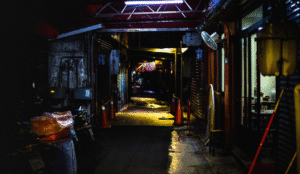
ToggleFrom remote kampungs to the bustling streets of Kuala Lumpur, Malaysians still tell stories about encounters with these mysterious spirits. They are said to dwell in abandoned houses, dense jungles, or even in dark corners where shadows linger too long. The Ghost jinn isn’t just a product of superstition — it’s deeply woven into Malaysia’s cultural and spiritual fabric, reflecting the country’s blend of Islamic belief, local folklore, and indigenous animism.
In this article, we’ll explore where these stories come from, what Malaysians believe about the jinn, and how these ancient legends continue to shape modern life in surprising ways.
Frequently Asked Questions (FAQ)
1. What is a jinn in Islamic culture?
In Islamic culture, a jinn is a supernatural being created by Allah, existing in a world parallel to humans. Jinns are mentioned in the Qur’an and are said to have free will, meaning they can choose to be good or evil—just like people. They live, eat, marry, and eventually die, but are usually invisible to the human eye. Muslims believe that jinns can influence humans, sometimes for good and sometimes to cause mischief or harm.
2. What are Jinns made of according to Islam?
According to Islam, jinns are created from “smokeless fire.” This means they are made of a fiery, subtle substance that gives them the ability to move quickly, change form, and remain unseen. Unlike humans who are made from clay and angels from light, jinns occupy a middle ground — spiritual beings with physical capabilities.
3. What do Jinns look like according to Islam?
Islamic texts describe that humans cannot see jinns in their true form, but jinns can take on different shapes. They might appear as animals, shadows, humans, or strange creatures. Some stories say they can take beautiful or frightening forms to deceive or scare people. Their natural appearance, however, remains hidden and beyond human understanding.
4. What do Muslims think of Jinns?
Muslims believe that jinns are real creations of Allah, just like humans and angels. While not all jinns are bad, Islam teaches caution because some may whisper evil thoughts or influence people negatively. Muslims are encouraged to seek protection through prayer and reciting certain verses from the Qur’an, especially Ayat al-Kursi or Surah Al-Falaq and An-Naas. Essentially, jinns are respected as part of creation but not to be feared or worshipped.
5. How to know if it’s a jinn?
It’s often hard to know for sure if something is caused by a jinn, as many experiences can also have natural or psychological explanations. However, traditional beliefs suggest signs like unexplained noises, moving shadows, strange dreams, or sudden changes in behavior or mood might indicate jinn activity. In Islam, the recommended response is to stay calm, pray, and seek spiritual help from a knowledgeable religious scholar rather than relying on superstition or fear.
The Origin of the Jinn: Ancient Spirits Older Than Man
Before diving into the Malaysian interpretation, it’s important to understand the broader origin of the Ghost jinn. In Islamic tradition, the jinn are supernatural beings created by God from smokeless fire — invisible to the human eye but capable of thought, emotion, and free will. Like humans, they can choose between good and evil.
According to the Quran, jinn existed long before mankind. They roamed the earth freely, forming societies of their own, until humans were created. Some jinn resented this new species, which led to rebellion — most famously represented by Iblis, the jinn who refused to bow to Adam and was cast out of heaven.
Over centuries, stories of the jinn spread across the Muslim world, from the deserts of Arabia to the shores of Southeast Asia. When Islam reached the Malay Archipelago, these beliefs merged with local animist traditions that already included spirits known as penunggu (guardians) and hantu (ghosts). The result was a unique hybrid folklore — where the fiery jinn of Arabia took on a new form within the lush rainforests and kampungs of Malaysia.
The Malaysian Jinn: Between Faith and Folklore
In Malaysia, the concept of the jinn is both religious and cultural. Muslims acknowledge their existence through Islamic teachings, while local traditions have given them distinct regional traits.
People often refer to them as Ghost jinn, emphasizing their ghostly or haunting nature. In rural areas, stories describe them as unseen tenants of old houses or dark forests, sometimes mimicking human behavior or possessing individuals who cross into their domain.
The the legend of jinn spirits in Malaysia often blurs the lines between spiritual beings and restless ghosts. Some are believed to take the form of animals like snakes, cats, or owls — all symbols of mystery and transformation. Others are shapeshifters, appearing as beautiful humans or monstrous shadows.
It’s this ambiguity that keeps Malaysians fascinated: jinn can be both helpers and tricksters, protectors and tormentors.
Different Types of Ghost Jinn in Malaysian Lore
Malaysian oral traditions and folk healers often categorize jinn into several types. While not all lists agree, here are some commonly mentioned in stories and local beliefs:
- Jinn Islam
These are believed to be pious jinn who follow Islamic teachings. They rarely disturb humans and may even assist spiritual healers (ustaz) during exorcisms or rituals.
- Jinn Kafir
These are the malevolent ones — rebellious and mischievous. They are said to tempt people, cause nightmares, and sometimes possess the weak-willed. Many tales of Ghost jinn possession fall under this category.
- Hantu Raya
A well-known spirit in Malay folklore, often considered a form of powerful jinn. People used to “keep” a Hantu Raya as a servant spirit to help them with work, though such practices are forbidden in Islam.
- Jinn Asyik and Jinn Qarin
These are emotional or personal spirits — one associated with love and obsession, the other said to accompany every human since birth as a spiritual twin.
Each type carries different traits and purposes, reflecting Malaysia’s deep mix of Islamic cosmology and indigenous belief.
Encounters and Possession: The Frightening Side of the Ghost Jinn
Ask any Malaysian elder, and you’re likely to hear at least one story about someone being “disturbed” by a jinn.
Possession stories are especially common. Victims may exhibit strange behavior — speaking in unfamiliar voices, fainting suddenly, or displaying unusual strength. In rural communities, such incidents are often interpreted as the work of a Ghost jinn that has entered the human body.
Religious healers or bomohs (traditional shamans) are then called to perform ruqyah (Islamic recitation) or ritual cleansing. These exorcisms can be dramatic, involving chanting, incense, and symbolic gestures meant to drive the jinn away.
Common Signs of a Jinn Disturbance
- Persistent nightmares or sleep paralysis
- Feeling watched when alone
- Unexplained illnesses despite medical treatment
- Sudden changes in voice or personality
While modern science might interpret these as psychological or medical issues, many Malaysians still consider the spiritual dimension just as real. It’s this coexistence of rationality and faith that makes jinn stories so enduring.
Places Where Ghost Jinn Are Said to Dwell
Malaysian landscapes are lush, tropical, and full of mystery. Certain places are traditionally believed to be favored by jinn — especially areas where humans rarely go.
- Abandoned Houses
Old, empty homes are often avoided, especially if strange sounds or movements are reported at night. Locals might say a Ghost jinn has taken up residence there.
- Dense Forests and Waterfalls
Nature in Malaysia is both beautiful and sacred. Many people believe powerful spirits inhabit deep jungles or hidden waterfalls. Before entering such places, it’s customary to ask permission with a simple greeting, “Tumpang lalu” (Excuse me for passing).
- Cemeteries
Cemeteries are quiet, eerie places, often linked to spirits. Some claim to see lights or shadows moving among the graves — possibly signs of the Ghost jinn lingering nearby.
- Crossroads and Empty Fields
These liminal spaces — neither fully human nor natural — are also associated with supernatural activity.
Such beliefs aren’t just superstition; they reinforce respect for nature, space, and unseen boundaries.
Modern Malaysia and the Ghost Jinn Phenomenon
Despite rapid modernization, belief in the Ghost jinn remains alive across Malaysia. Social media and online forums are filled with alleged encounters, viral videos, and ghost-hunting expeditions.
Television shows like Seekers and Gerak Khas have featured jinn-related stories, mixing traditional folklore with modern entertainment. Meanwhile, YouTube channels often post “real” paranormal recordings from abandoned schools or hospitals, claiming to capture a Ghost jinn on camera.
Interestingly, younger Malaysians often balance skepticism with curiosity. They may not believe fully, but they also don’t dismiss the possibility. This reflects the deep cultural respect for the unseen that still runs through Malaysian society.
The Psychology Behind Believing in Jinn
Why do people believe so strongly in these unseen beings? Part of the answer lies in psychology and culture.
Humans naturally seek explanations for mysterious or frightening experiences — strange noises, sleep paralysis, or sudden illness. In Malaysia, where spirituality is deeply integrated into daily life, the idea of a Ghost jinn offers a culturally familiar explanation.
Belief also provides comfort and structure. When something bad happens, people may turn to religious rituals or community support to feel protected. The stories of legend of jinn spirits in Malaysia serve not only to entertain but also to teach moral lessons — about faith, humility, and respect for unseen forces.
Jinn in Malaysian Pop Culture and Media
The modern entertainment industry has given the Ghost jinn a new platform. Malaysian films like Jin (2014) and Munafik (2016) explore the struggle between good and evil through possession and exorcism stories.
These movies often blend Islamic spirituality with horror, creating a distinctive Southeast Asian flavor of supernatural storytelling. The jinn is no longer just a folklore creature; it’s a cinematic symbol of moral struggle and spiritual awareness.
Even outside film, literature and comics have adapted jinn myths into modern contexts — from urban ghost stories to fantasy novels. The creature continues to evolve, keeping up with changing times while staying rooted in its mystical origins.
The Role of Religion: Islamic Perspective on the Ghost Jinn
In Islam, the existence of jinn is a matter of faith, but fear of them is discouraged. The Prophet Muhammad taught that humans should not try to communicate with jinn or seek their help, as it can lead to spiritual corruption.
However, Islam also provides methods for protection: reciting specific verses like Ayatul Kursi, performing regular prayers, and maintaining cleanliness. These practices are believed to safeguard individuals from harm by the Ghost jinn or other malicious entities.
Religious scholars often remind believers that while jinn exist, they hold no power beyond what God allows. Understanding this balance between belief and faith is crucial in separating folklore from theology.
Cultural Fusion: How Ghost Jinn Beliefs Blend with Local Spirits
Malaysia’s multicultural background — Malay, Chinese, Indian, and indigenous groups — has created a fascinating melting pot of supernatural beliefs.
For instance, Chinese Malaysians have their own ghostly entities like the pontianak or hungry ghost, while Indian communities speak of bhutas and yakshas. Over time, these spirits have interacted in shared storytelling spaces, giving rise to new interpretations.
In many villages, it’s common to hear mixed references — a Ghost jinn described as having traits of a hantu, or a local shaman calling upon both Quranic verses and ancient charms. This blend of traditions demonstrates how Malaysian folklore constantly adapts and evolves.
Protection and Folk Remedies Against the Ghost Jinn
For centuries, Malaysians have developed rituals and remedies to guard against unwanted spiritual attention.
- Reciting Verses from the Quran
Verses like Surah Al-Baqarah and Ayatul Kursi are believed to repel evil jinn. Many families play these recitations at home to maintain spiritual peace.
- Using Natural Talismans
Traditional items such as limau purut (kaffir lime) or bunga rampai are used in cleansing ceremonies to remove bad energy.
- Avoiding Provocation
Elders often warn not to curse or urinate near trees, abandoned areas, or water bodies at night — actions believed to offend the unseen.
- Seeking Help from Ustaz or Bomoh
When disturbances become severe, people may consult spiritual healers who perform ruqyah or traditional mandi bunga (flower bath) rituals.
While modern Malaysians might smile at these customs, many still quietly follow them — “just in case.”
Why the Ghost Jinn Endures in Malaysian Imagination
The Ghost jinn persists because it bridges the ancient and the modern, faith and fear. It represents the mysterious unknown — a reminder that not everything can be explained by science alone.
In an age of smartphones and skyscrapers, Malaysians still whisper about shadows that move when no one’s there, or eerie voices calling from empty rooms. These stories are more than just entertainment — they connect people to their heritage, their beliefs, and their sense of wonder about the unseen world.
The legend of jinn spirits in Malaysia continues to captivate not just locals, but also international audiences who find these tales exotic yet universally human. After all, every culture has its ghosts — Malaysia’s just happen to burn with smokeless fire.
Conclusion: Between Fear, Faith, and Fascination
The world of the Ghost jinn is one where religion meets myth, and superstition mingles with spirituality. Whether you believe in them or not, these tales have shaped Malaysian identity for centuries — teaching respect for the unseen and reminding us that the line between worlds is thinner than we think.
From the kampungs of Kelantan to the modern apartments of Kuala Lumpur, whispers of the Ghost jinn remain part of Malaysia’s cultural heartbeat. The stories may evolve, but the fascination endures — a living bridge between tradition and modern life.
So next time you feel a chill in the air or hear your name called when no one’s around, remember: perhaps it’s just your imagination… or perhaps, a Ghost jinn passing by.
The Ghost Series: Malaysian Superstitions & Legends Superstitions
For more information, this page connects to detailed guides, origins, and facts about Malaysian ghosts and local hauntings: