Top 10 Traditional Deepavali Snacks You Must Try in Malaysia
Every year, as vibrant kolams decorate doorsteps and lamps illuminate homes, Malaysia bursts into a spectacle of color, joy, and aroma. Deepavali, known as the Festival of Lights, is one of the most anticipated festivals celebrated by the Hindu community across the country. But beyond the lights and laughter lies something even more memorable — the irresistible aroma of deepavali snacks, sweets, and traditional dishes that define the essence of this festival.
Table of Contents
ToggleIn Malaysia, Deepavali brings families together in kitchens filled with laughter, chatter, and the clinking of ladles. From spicy savories to melt-in-your-mouth sweets, Deepavali snacks in Malaysia represents a harmonious blend of Indian heritage and local influences. Each delicacy tells a story — of generations passing down recipes, of family unity, and of the joy of sharing food with loved ones and neighbors.
So, if you’re ready to explore the heart and soul of this festival through its most iconic dishes, here are the Top 10 Traditional Deepavali snacks You Must Try in Malaysia — a feast of flavors that go far beyond taste, capturing the warmth and spirit of the season.
Frequently Asked Questions (FAQ)
1. What is the name of the snack for Deepavali?
The most iconic Deepavali snacks is murukku, a crunchy, spiral-shaped treat made from rice flour, urad dal, and spices. It’s a must-have during the festival and is often prepared in large batches to share with guests. Other popular Deepavali snacks include Achu Murukku (Rose Cookies), Omapodi (Sev), and Mixture, all adding a delightful crunch to the celebration.
2. What is Deepavali’s traditional food?
Traditional Deepavali food Malaysia reflects both Indian heritage and local influences. Families usually prepare flavorful dishes like Chicken Curry, Vegetable Briyani, and Chapati, served with sides of Rasam or Sambar. For desserts, Deepavali snacks such as Laddu, Payasam, Coconut Candy, and Gulab Jamun bring a sweet ending to every festive meal, symbolizing abundance and happiness.
3. What is the most popular snack in Malaysia?
Among all festive treats, deepavali murukku remains one of the popular snacks in Malaysia. Its crispy texture and savory flavor make it irresistible across all communities. While many Malaysians enjoy snacks like banana fritters and kacang putih, nothing beats a jar of freshly made murukku during Deepavali — it’s the true taste of the season.
4. What is the significance of murukku?
Murukku carries deep cultural and symbolic meaning during Deepavali. The name itself means “twist” in Tamil, representing unity and continuity in life. Preparing Deepavali murukku is seen as a joyful family activity that strengthens bonds, while its golden color and rich aroma symbolize prosperity, light, and good fortune for the year ahead.
5. What to eat on Diwali Day as a vegetarian?
Vegetarians have plenty of choices when it comes to Deepavali food Malaysia. Popular dishes include Vegetable Curry, Paneer Butter Masala, Rasam, and Chapati. To end on a sweet note, many enjoy Deepavali snacks such as Laddu, Achu Murukku, Coconut Candy, and Payasam. Each dish is prepared with love and symbolizes the purity and joy of the Festival of Lights.
10. Kari (Curry Dishes) – A Savory Celebration
While Deepavali snacks is best known for its sweets, savory dishes are equally important in Malaysian celebrations. Festive curries, or kari, often steal the show during family gatherings.
Among the most popular dishes are chicken curry, mutton curry, and vegetable curry — each simmered in rich spices, coconut milk, and herbs that fill the home with an irresistible aroma. These dishes are usually served with rice, chapati, or tosai, completing the feast of deepavali food malaysia traditions.
It’s the warmth of these hearty dishes that unites everyone around the table, blending flavors of heritage and happiness.
9. Payasam – A Creamy Festive Dessert
No Deepavali snacks feast is complete without Payasam, a creamy and comforting milk-based dessert. Often made with vermicelli, sago, or lentils, this pudding-like dish is flavored with ghee, cashews, and raisins.
In the realm of Deepavali food Malaysia, Payasam holds a special place as it’s also served during temple offerings and family prayers. Each spoonful of this warm dessert feels like a blessing — rich, smooth, and filled with love.
Many Malaysian Indian families prepare several varieties, such as Paal Payasam (milk-based) or Paruppu Payasam (dal-based), ensuring everyone gets a taste of their favorite version.
8. Gulab Jamun – The King of Indian Sweets
Among all Deepavali snacks in Malaysia, few desserts capture the essence of indulgence quite like Gulab Jamun. These small, deep-fried milk-based balls are soaked in fragrant sugar syrup flavored with rose water and cardamom.
Soft, syrupy, and utterly delicious, Gulab Jamun is the star of many festive tables. In Malaysia, you’ll find versions that are slightly less sweet than the Indian original, adapting to local preferences.
The dish represents celebration in its purest form — a golden ball of joy that brings families and friends closer with every bite.
7. Coconut Candy – The Sweet Nostalgia
When you think of Deepavali snacks, coconut candy probably brings back fond childhood memories. Made from fresh grated coconut, condensed milk, and sugar, this colorful treat adds a festive sparkle to Deepavali celebrations in Malaysia.
Typically cut into small squares or rectangles, coconut candy has a chewy texture and a rich flavor that perfectly balances sweetness with creaminess. The pink, green, and white hues make it visually striking, symbolizing joy and abundance.
You’ll often see this sweet at Deepavali open houses, where it’s shared generously among guests. It’s not just a candy — it’s a piece of Malaysian heritage wrapped in sweetness.
6. Mixture – The Festive Crunch
A quintessential feature of Deepavali snacks with sweet, mixture is exactly what its name suggests — a mix of crispy ingredients, including murukku bits, sev, fried nuts, curry leaves, and spices. Each handful delivers a burst of flavor — salty, spicy, crunchy, and addictive.
This snack perfectly reflects Malaysia’s multicultural flair. Some families incorporate peanuts, cornflakes, or dried anchovies, giving it a local twist. Whether you’re visiting relatives or attending open houses, you’ll always find bowls of mixture welcoming guests with that irresistible crunch.
It’s the perfect companion for chatting with friends or enjoying a movie night during the festive holidays.
5. Nei Urundai – Ghee Balls of Pure Bliss
One of the most traditional Deepavali snacks with sweet, Nei Urundai literally means “ghee balls.” Made from roasted gram flour and ghee, these sweets melt effortlessly in your mouth. Their rich, buttery flavor and subtle sweetness make them a comforting favorite, especially among elders.
What makes Nei Urundai special is its simplicity — no elaborate cooking required, just the perfect ratio of ghee to flour. It’s a true reflection of Deepavali’s theme: finding light and happiness in the simplest things.
This delicacy is also a great choice for gifting, as its texture remains soft and fragrant for days after preparation.
4. Omapodi (Sev) – Crispy, Golden Strings
If there’s one snack that embodies fun and crunch, it’s Omapodi. Made from chickpea flour, rice flour, and carom seeds, this savory treat is pressed into thin, crispy strands and deep-fried to perfection.
Often served as a base for mixtures or eaten plain, Omapodi offers a light, savory contrast to the sweeter Deepavali snacks in Malaysia. You’ll find it in almost every home during Deepavali, stored in big containers and often shared with friends and coworkers.
Some Malaysians add curry leaves and chili powder for an extra punch — giving it a fragrant and spicy kick that’s simply irresistible.
3. Achu Murukku – The Rosette-Shaped Delight
A unique member of the Deepavali snacks family, Achu Murukku (also known as “Rose Cookies”) stands out for its intricate floral shape. This delicacy, made from a mixture of rice flour, coconut milk, sugar, and eggs, is deep-fried using a special mold that gives it its signature look.
Achu Murukku is light, airy, and subtly sweet — the perfect balance to spicier Deepavali treats. Though originally from South India, it’s now a Malaysian favorite during festive celebrations.
Pair it with a cup of teh tarik, and you’ll instantly understand why this beautiful snack has become a staple in Malaysian households.
2. Laddu – Sweet Spheres of Happiness
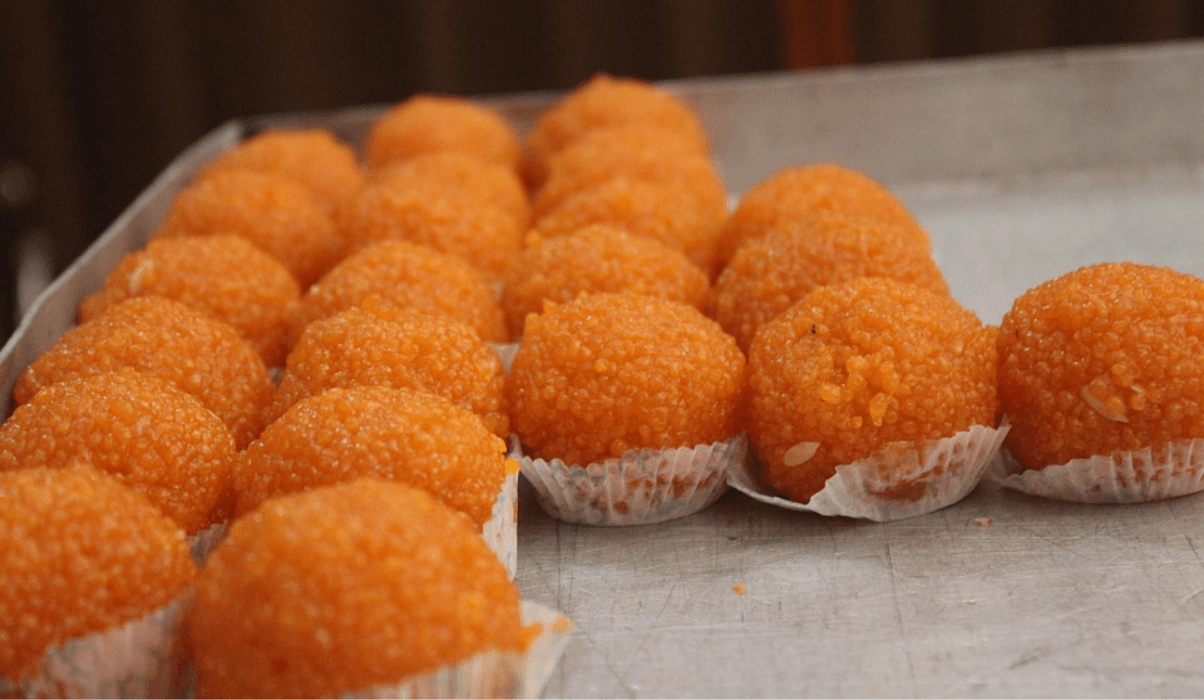
One of the most beloved Deepavali sweets and snacks is the golden-hued laddu. These round, bite-sized sweets are made from gram flour (besan), sugar, and ghee, sometimes enriched with nuts and raisins. Each laddu is soft, aromatic, and full of nostalgia for many Indian Malaysians who grew up watching their mothers roll them by hand.
Among the many varieties, boondi laddu and rava laddu (made with semolina) are festival favorites. In many homes, laddus are offered to guests and even used as temple offerings during Deepavali prayers.
It’s no exaggeration to say that laddus symbolize the sweetness of relationships and the spirit of sharing that defines the festival.
1. Murukku – The Crunchy Star of Deepavali
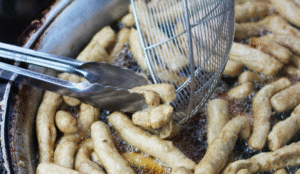
No Deepavali table is complete without the iconic Deepavali snacks which is murukku, the crispy spiral snack that everyone loves. Made from rice flour, urad dal flour, and a blend of spices, murukku is deep-fried to perfection — golden, crunchy, and delightfully addictive.
During the festive week, Malaysian households prepare jars full of these crispy treats. Each family often has their own secret recipe, passed down through generations. Some prefer the traditional spiced version, while others add sesame seeds, butter, or chili powder for a unique twist.
The beauty of deepavali snacks like murukku lies in their simplicity — they’re easy to make, last long, and bring smiles to anyone who takes a bite. You’ll often find different types, such as thenguzhal murukku (made with coconut milk) or butter murukku, offering subtle variations in taste and texture.
The Meaning Behind Deepavali Feasts
Deepavali, often called the Festival of Lights, is a time when Malaysians come together not only to celebrate victory of light over darkness but also to express gratitude, generosity, and unity. Among the most cherished aspects of the celebration is the act of preparing and sharing Deepavali snacks — a practice that symbolizes abundance, purity, and joy.
Before the festival arrives, homes are cleaned thoroughly, symbolizing the removal of negativity and the welcoming of new beginnings. Families then spend days preparing an array of Deepavali snacks and sweet, filling the air with aromas of ghee, spices, and fried delicacies. Every sweet or savory dish prepared has a purpose — it signifies prosperity, happiness, and divine blessings.
Sharing Beyond Boundaries
In Malaysia, Deepavali is not just celebrated within the Indian community. The country’s multicultural nature makes it a festival enjoyed by people of all races and religions. Neighbors often exchange food, friends visit each other’s homes, and Deepavali snacks in Malaysia becomes a bridge that connects different cultures.
Many households organize “open houses,” welcoming guests with trays of murukku, laddus, and spicy curries. This gesture of hospitality goes beyond religion — it reflects Malaysia’s harmony and inclusivity. In fact, for many non-Indians, Deepavali open houses are their introduction to Indian culinary culture and traditions.
A Feast of Gratitude
Cooking and sharing Deepavali snacks are acts of gratitude — a way of thanking the gods for a fruitful year and seeking blessings for the future. Traditional sweets like payasam and nei urundai are often first offered to deities during prayers before being served to family and guests.
Every bite carries spiritual meaning. The round shapes of sweets like laddus symbolize completeness, while ghee-rich desserts represent purity and nourishment. Even savory dishes like Deepavali murukku remind people of the importance of hard work and patience, as the intricate preparation process mirrors life’s rewards for effort and dedication.
Ultimately, Deepavali feasting is not just about indulgence — it’s a reminder that true light comes from giving, sharing, and coming together in love.
Regional Deepavali Flavors Across Malaysia
Malaysia’s diversity shines beautifully during Deepavali. Across the country, regional communities celebrate the festival with their own distinct flavors, combining Indian traditions with local influences. From north to south and across to East Malaysia, the variations in Deepavali snacks in Malaysia are fascinating and flavorful.
Northern Malaysia – Penang, Kedah, and Perak
In Penang, known for its rich food culture, Deepavali tables are often filled with South Indian classics such as idli, vadai, sambar, and chutney. However, the island’s multicultural influences have also inspired fusion dishes. It’s common to find murukku made with hints of curry leaves or sambal spices — a nod to Malaysia’s love for bold flavors.
In Kedah and Perak, traditional deepavali sweets and snacks like coconut candy and achu murukku are local favorites. Many families there have also incorporated Malay and Chinese desserts like kuih bangkit or angku kuih into their Deepavali offerings, showcasing true Malaysian unity through food.
Central Malaysia – Kuala Lumpur & Selangor
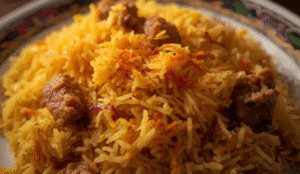
The heart of Malaysia’s Indian community thrives here, where Deepavali open houses are grand and inclusive. In cities like Klang and Brickfields (also known as “Little India”), the aroma of spices fills the air weeks before the festival. Restaurants and homes prepare extensive spreads of biryani, chicken curry, and vegetarian dishes served alongside the beloved Deepavali snacks.
In Kuala Lumpur, you’ll also find creative takes on festive dishes — chocolate-coated murukku, sugar-free laddus, or vegan payasam — reflecting the modern urban palate while keeping cultural roots intact.
Southern Malaysia – Johor, Malacca, and Negeri Sembilan
In Johor, Deepavali mornings often start with traditional breakfast dishes such as putu mayam (string hoppers served with grated coconut and sugar) and tosai with coconut chutney. Johorean Indian families love preparing spicy mutton curry, paired with rice or chapati, symbolizing warmth and celebration.
Malacca and Negeri Sembilan, known for their strong Eurasian and Peranakan influences, often add local flair to Deepavali food Malaysia. For instance, coconut milk-rich curries or desserts flavored with pandan leaves blend Indian and Malay culinary identities seamlessly.
East Malaysia – Sabah and Sarawak
While the Indian population here is smaller, the festival spirit is equally vibrant. Deepavali in East Malaysia often includes locally sourced ingredients — coconut, sago, and palm sugar — infused into traditional Indian recipes. Some families even prepare kuih lapis and banana fritters alongside murukku and laddus, blending local delicacies with Indian sweets.
This regional diversity shows that Deepavali in Malaysia is not static — it’s living, evolving, and inclusive. Each region adds its own flavor to the festive table, proving that food is the ultimate unifier across cultures and borders.
Preserving Culinary Heritage in Modern Times
As lifestyles become busier and modern technology simplifies everything, traditional cooking during Deepavali faces a quiet challenge. Many younger Malaysians are drawn to store-bought sweets or ready-made mixes instead of preparing Deepavali snacks from scratch. While convenience has its place, it also risks eroding the deep-rooted cultural value embedded in homemade festive food.
Passing Down Family Recipes
Every traditional recipe has a story — from the grandmother who hand-ground spices for curry paste to the mother who patiently taught her children how to shape Deepavali murukku by hand. These stories form a living thread of family identity. Preserving these recipes means preserving that heritage.
Fortunately, many Malaysian families are taking proactive steps to keep these traditions alive. Cooking sessions are becoming family bonding events where elders teach the younger generation the art of kneading, frying, and tasting. Social media has also played a huge role — YouTube tutorials, Instagram reels, and TikTok videos featuring Deepavali snacks and sweet have reignited interest among younger audiences.
Reinventing Traditional Dishes
Preserving culture doesn’t mean resisting change. Many Malaysians are experimenting with healthier versions of Deepavali snacks in Malaysia — using air fryers for murukku, substituting sugar with honey, or using less oil for savory mixtures. The essence of tradition remains, but the techniques adapt to modern lifestyles.
Home bakers and small business owners are also breathing new life into Deepavali delicacies by offering artisanal versions — murukku with seaweed flavor, baked laddus, or gluten-free coconut candy. These innovations allow ancient recipes to remain relevant and appealing in today’s health-conscious world.
Celebrating Togetherness Through Food
Despite modernization, what truly sustains Deepavali traditions is togetherness. The preparation of Deepavali snacks is often a group activity — mothers, daughters, and even friends gather days before the festival, laughing, chatting, and tasting as they go. This communal experience fosters love, unity, and cultural continuity.
Even in urban apartments or small kitchens, that same spirit continues. Whether kneading dough for Deepavali murukku or stirring a pot of payasam, the act of cooking together is a celebration in itself. It’s a reminder that Deepavali is not just a festival of lights — it’s a festival of connection.
The Role of Malaysian Diversity
Malaysia’s unique multicultural landscape has also helped preserve Deepavali’s culinary traditions. The openness of different communities to celebrate together — whether through open houses or food sharing — ensures that these traditions stay alive in the public eye. Food festivals, cooking shows, and school events that highlight Deepavali snacks and sweet also keep the younger generation informed and proud of this heritage.
As time goes on, the preservation of Deepavali cuisine becomes more than an act of nostalgia — it’s a statement of identity. It says, “We remember who we are, and we celebrate it with every flavor, every bite, and every smile shared around the table.”
Conclusion: A Feast of Light and Flavor
Deepavali in Malaysia is more than just a festival — it’s a celebration of culture, community, and cuisine. From the irresistible crunch of Deepavali murukku to the sweetness of laddu and the comforting warmth of payasam, each dish tells a story of love, devotion, and tradition.
As you indulge in these ten timeless favorites, remember that the essence of Deepavali lies not only in the food but in the joy of sharing it. Whether you’re cooking at home, visiting friends, or exploring local Deepavali food Malaysia, every bite carries the light of friendship, heritage, and gratitude.
So, this festive season, gather your loved ones, light the lamps, and savor the rich tapestry of flavors that make Deepavali snacks a true celebration of Malaysian diversity and Indian tradition.